

In recent years, Collagen has become one of the most popular dietary supplements among those interested in health and beauty, especially with the growing awareness of the importance of skincare and maintaining joint health as we age. But the question many people ask is: Does collagen really deliver the advertised results? And can it be obtained from food instead of supplements?

What is Collagen and Why is It Important?
Collagen is one of the essential proteins in the body and is a major component of connective tissue. It makes up about 30% of the body’s total protein and is responsible for providing structural support and strength in the skin, muscles, bones, tendons, and ligaments. It also plays a vital role in maintaining skin elasticity, supporting joint health, and promoting wound healing.
Its Importance:
- Gives the skin a firm and smooth appearance, reduces the appearance of wrinkles and fine lines, and enhances hair strength and shine.
- Maintains bone density and strength, helps protect cartilage, and reduces friction in the joints.
- Supports muscles and tendons during movement, enhances tissue flexibility, and protects them from damage.
- Strengthens blood vessel walls and improves blood circulation.

Collagen and Skin Health:
It is a key element in maintaining healthy skin. Studies have shown that collagen supplements improve skin hydration and elasticity, while reducing the appearance of wrinkles. It appears that collagen, whether taken orally or applied topically, is equally effective in minimizing wrinkles and improving skin health. However, more research is still needed to determine the optimal dosage and duration of use for long-term results.
Collagen and Joint Health:
This protein plays a major role in supporting cartilage, the tissue that acts as a cushion between bones. Some studies have indicated that taking collagen supplements may help:
- Reduce joint pain.
- Improve activity levels and mental well-being.
- Enhance joint flexibility and mobility.
However, it is important to note that collagen effectiveness depends on the type and amount consumed. Supplements containing hydrolyzed collagen are the most easily absorbed, as they are broken down into smaller molecules that the body can efficiently utilize.
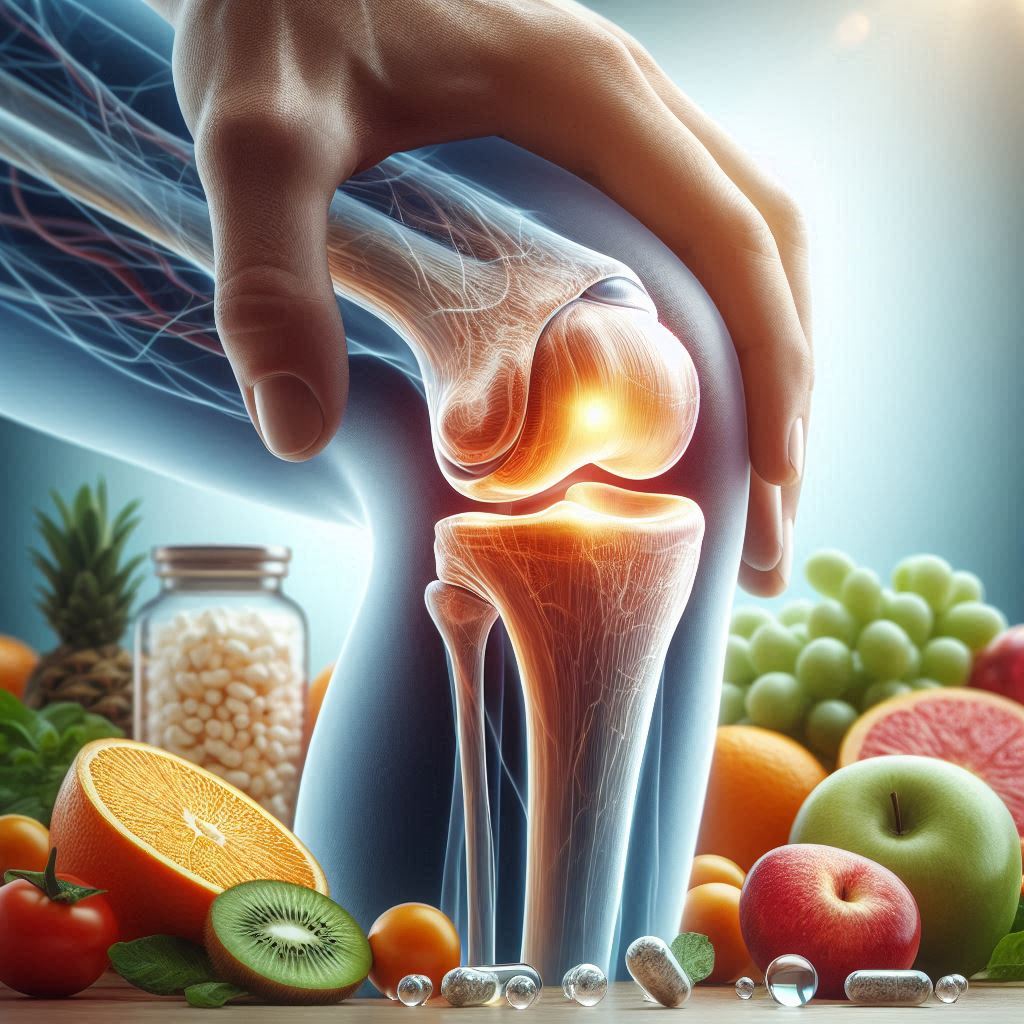
Food and Supplement Sources:
1. From the Body:
The body naturally produces collagen from amino acids derived from food.
2. From Natural Foods:
- Meat and Fish: Rich in collagen, such as bone broth and skins.
- Leafy Vegetables: Contain vitamin C, which is essential for collagen production.
- Eggs: Especially the thin membrane surrounding the eggshell.
3. Marine Collagen:
Extracted from fish and known for its high absorption rate.
4. Bovine Collagen:
Extracted from cow skin and bones, commonly used in dietary supplements.
5. Cosmetic Products:
Creams and serums containing collagen for direct topical application to the skin.

Types of Collagen:
Different types of this protein have unique properties that support tissue strength and elasticity. The most common types include:
1. Type I Collagen:
This is the most abundant form, making up about 90% of the body’s total protein in connective tissues. It is found in bones, skin, corneas, and tendons, and plays a key role in maintaining skin, tissue, and bone integrity, while also supporting healthy hair and nails.
2. Type II Collagen:
Makes up over 90% of the collagen in joint cartilage, mainly present in articular cartilage and intervertebral discs.
3. Type III Collagen:
Representing 5–20% of the body’s total content, it mainly supports the structural integrity of hollow organs such as the intestines and blood vessels.

Tips Before Using Collagen:
1. Health Assessment: Consult a dermatologist or nutritionist to determine if your body truly needs collagen supplements.
2. Allergies and Interactions: Ensure there is no sensitivity to any ingredients, especially if derived from marine or animal sources.
3. Choose Trusted Products: Purchase collagen supplements from reputable brands to ensure product purity.
4. Proper Dosage: Follow the recommended doses provided by the manufacturer or your doctor.

This protein plays a key role in maintaining joint and skin health, whether through dietary supplements or natural collagen-rich foods. Combining these sources with a healthy lifestyle—balanced nutrition, regular exercise, and adequate sleep—may be the most effective way to maintain youthful skin and joint vitality.
At Nutrition Travels, we provide reliable and up-to-date information about collagen and all aspects of healthy nutrition to help you understand its role and the best ways to obtain it.