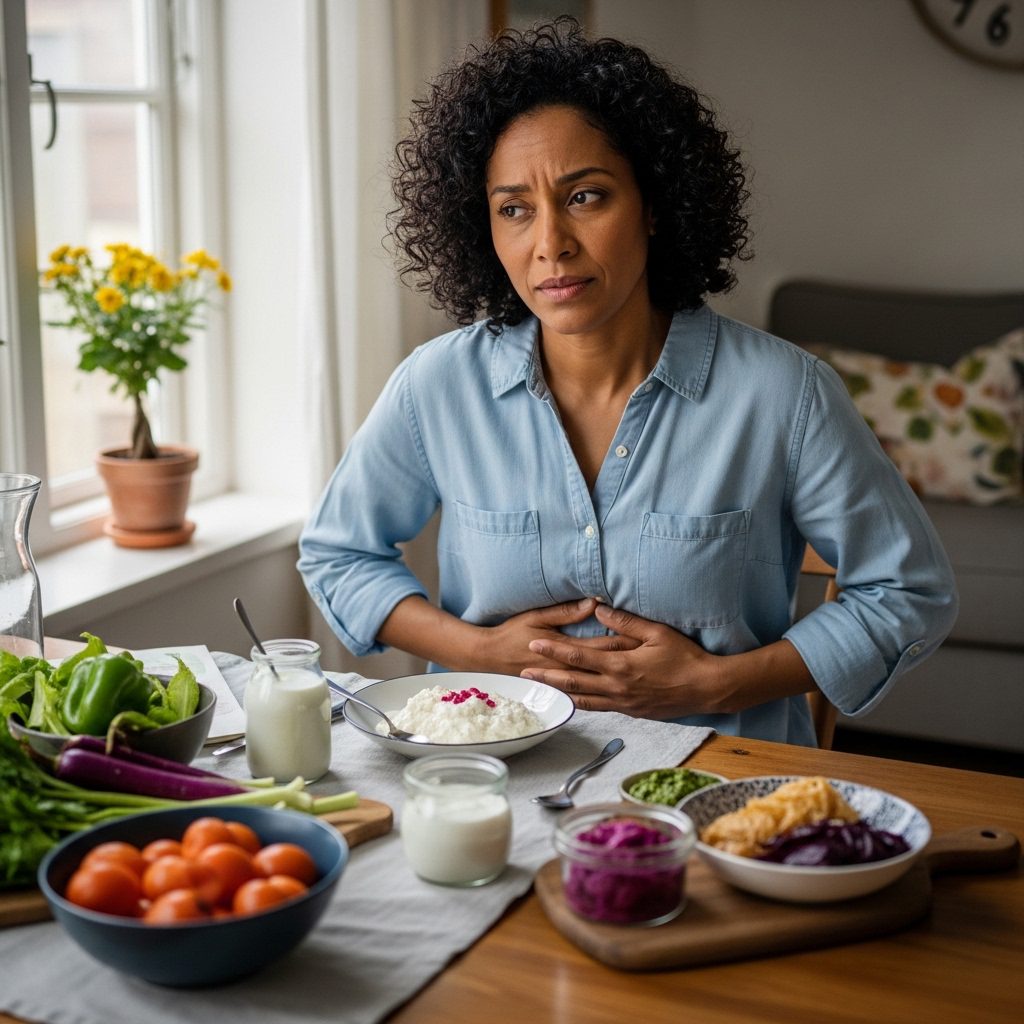
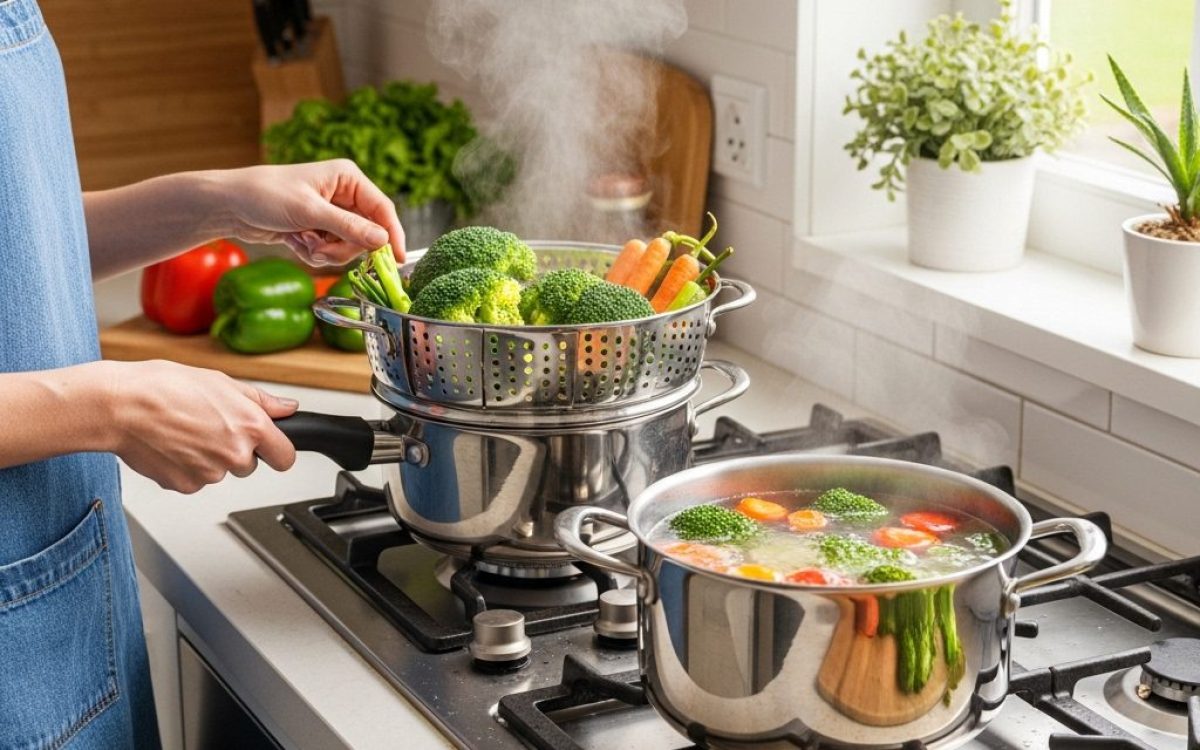
Vegetables are one of the most important parts of a healthy diet, providing essential vitamins, minerals, fiber, and powerful plant compounds. However, the way vegetables are cooked can significantly affect their nutritional value. Two of the most common cooking methods are steaming and boiling, but which one is better when it comes to preserving nutrients?
In this guide, we’ll explore how steaming and boiling impact vitamins, minerals, antioxidants, taste, and texture, and help you choose the healthiest cooking method for your daily meals.

Why Cooking Method Matters
Vegetables contain both water-soluble vitamins (such as vitamin C and B-complex vitamins) and fat-soluble vitamins (like vitamins A, D, E, and K). Water-soluble vitamins are especially sensitive to heat and water, meaning they can easily be lost during cooking. Minerals and antioxidants can also be affected by prolonged heat and excess water.
This is where the difference between steaming and boiling becomes important.

Steaming: The Healthiest Option
Steaming is widely considered the best cooking method for preserving the nutritional value of vegetables. Instead of being submerged in water, vegetables are cooked by hot steam, which gently softens them while protecting their nutrients.
Key Benefits of Steaming
- Better Nutrient Retention
Because vegetables do not come into direct contact with water, steaming prevents vitamins and minerals from leaching out. Studies show that vegetables cooked by steaming lose only about 9–15% of vitamin C, compared to much higher losses when boiled. - Preserves Antioxidants
Steaming helps maintain higher levels of antioxidants such as beta-carotene and flavonoids. These compounds play a crucial role in reducing inflammation and protecting the body from chronic diseases. - Improved Taste and Texture
Steamed vegetables keep their bright color, natural flavor, and slightly crisp texture. Unlike boiling, steaming prevents vegetables from becoming mushy or bland. - No Added Fats
Steaming does not require oil or butter, making it ideal for weight management and heart-healthy diets.
Best Vegetables for Steaming:
Broccoli, cauliflower, spinach, carrots, green beans, zucchini, and asparagus.
Boiling: Convenient but Nutrient-Losing
Boiling is one of the most common cooking methods because it is simple and fast. However, it comes with a major downside: nutrient loss.
Drawbacks of Boiling
- Loss of Water-Soluble Vitamins
When vegetables are boiled, vitamins like vitamin C and B vitamins dissolve into the cooking water. If the water is discarded, many of these nutrients are lost. Vegetables like broccoli and leafy greens can lose up to 50% of vitamin C when boiled. - Reduced Antioxidant Levels
Prolonged exposure to heat and water can break down sensitive plant compounds, reducing the antioxidant content of vegetables. - Softer Texture and Weaker Flavor
Boiling often results in vegetables that are overly soft and less flavorful, which may require added salt or sauces to improve taste.
When Boiling Can Be Useful
Despite its disadvantages, boiling still has some practical uses:
- Preparing soups and stews (when the cooking water is consumed)
- Softening vegetables like potatoes for mashing
- Improving digestibility for certain foods
- Reducing compounds such as oxalates in spinach

Other Healthy Cooking Methods to Consider
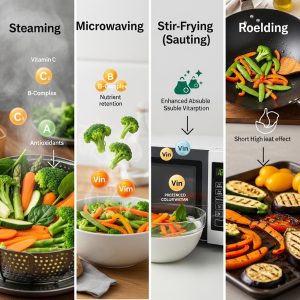
While steaming is the top choice, several other cooking methods also preserve nutrients when done correctly:
1- Stir-Frying (Sautéing)
Quick cooking over high heat with a small amount of healthy oil (such as olive oil) helps preserve nutrients while improving absorption of fat-soluble vitamins.
2- Microwaving
Because cooking time is very short and little water is used, microwaving retains most vitamins and antioxidants, especially in vegetables like broccoli and garlic.
3- Roasting and Grilling
These methods can preserve minerals and enhance flavor, but high temperatures should be used for short periods to avoid excessive nutrient loss.
Steaming vs. Boiling: Nutritional Comparison
|
Factor |
Steaming |
Boiling |
|
Vitamin retention |
Very high |
Low |
|
Antioxidants |
Well preserved |
Reduced |
|
Texture & flavor |
Crisp, fresh | Soft, diluted |
| Fat needed | None |
None |
|
Best use |
Daily healthy meals |
Soups, mashed foods |

Tips to Maximize Nutrients When Cooking Vegetables
- Keep cooking time short – longer cooking means more nutrient loss.
- Use minimal water – especially when boiling.
- Cut vegetables into large pieces to reduce surface area exposure.
- Avoid baking soda – it destroys vitamin C.
- Eat some vegetables raw to balance cooked meals.
- Use cooking water in soups to recover lost nutrients.
Steamed vs. Boiled Vegetables for Weight Loss
Steaming is especially beneficial for weight loss because it keeps vegetables low in calories while preserving fiber and nutrients. Boiled vegetables can still be healthy, but their reduced nutrient density may require larger portions to achieve the same benefits.

Final Conclusion
When it comes to preserving nutrients, flavor, and overall health benefits, steaming is clearly superior to boiling. It protects vitamins, minerals, and antioxidants while keeping vegetables vibrant and delicious—without the need for added fats. Boiling can still be useful in certain situations, especially when the cooking water is consumed, but it should not be the primary method for everyday vegetable preparation.
Incorporating steaming into your daily cooking routine is one of the simplest ways to improve your diet and protect the nutritional value of your meals. By choosing the right cooking methods, you can enjoy vegetables that are not only healthier but also tastier and more satisfying. For more practical nutrition tips and healthy lifestyle guides, visit Nutrition Travels, where food and wellness come together for better living.