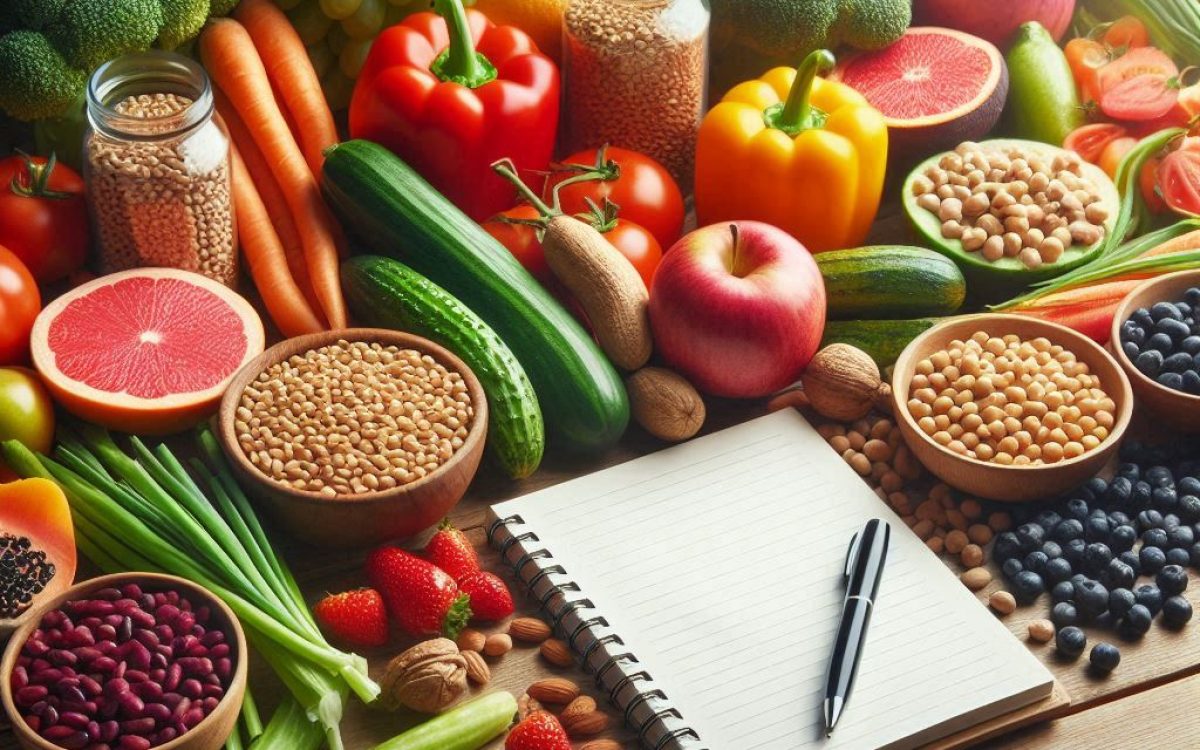
Transition to a Plant-Based Diet has become a popular choice in recent years for people looking to improve their health or reduce their environmental impact. However, many find it challenging, especially if they are used to eating meat and animal products daily. The good news is that transitioning to a plant-based diet can be smooth and enjoyable when approached gradually and thoughtfully.
In this article, we will talk about five easy steps that help beginners move toward a plant-based diet in a healthy and balanced way.

Tips for Successfully Transitioning to a Plant-Based Diet:
1- Following a Plant-Based Diet Gradually:
Learning something new requires time and extra effort, so if you are new to a plant-based diet, it may be easier to start and stick with it by following a gradual approach. The good news is that even small steps toward eating more plant-based foods can benefit your health. Here are some tips to try when adopting a plant-based diet gradually:
1. Eat one plant-based meal one day per week.
2. Make breakfast rely more on whole grains, such as whole-grain toast or oatmeal, instead of animal products like eggs, milk, and bacon.
3. Eat plant-based meals until dinner.
4. Add leafy greens such as spinach or kale to your daily meals.
5. Replace meat in recipes with a plant-based option such as black beans.

2- Getting to Know Plant-Based Protein Sources:
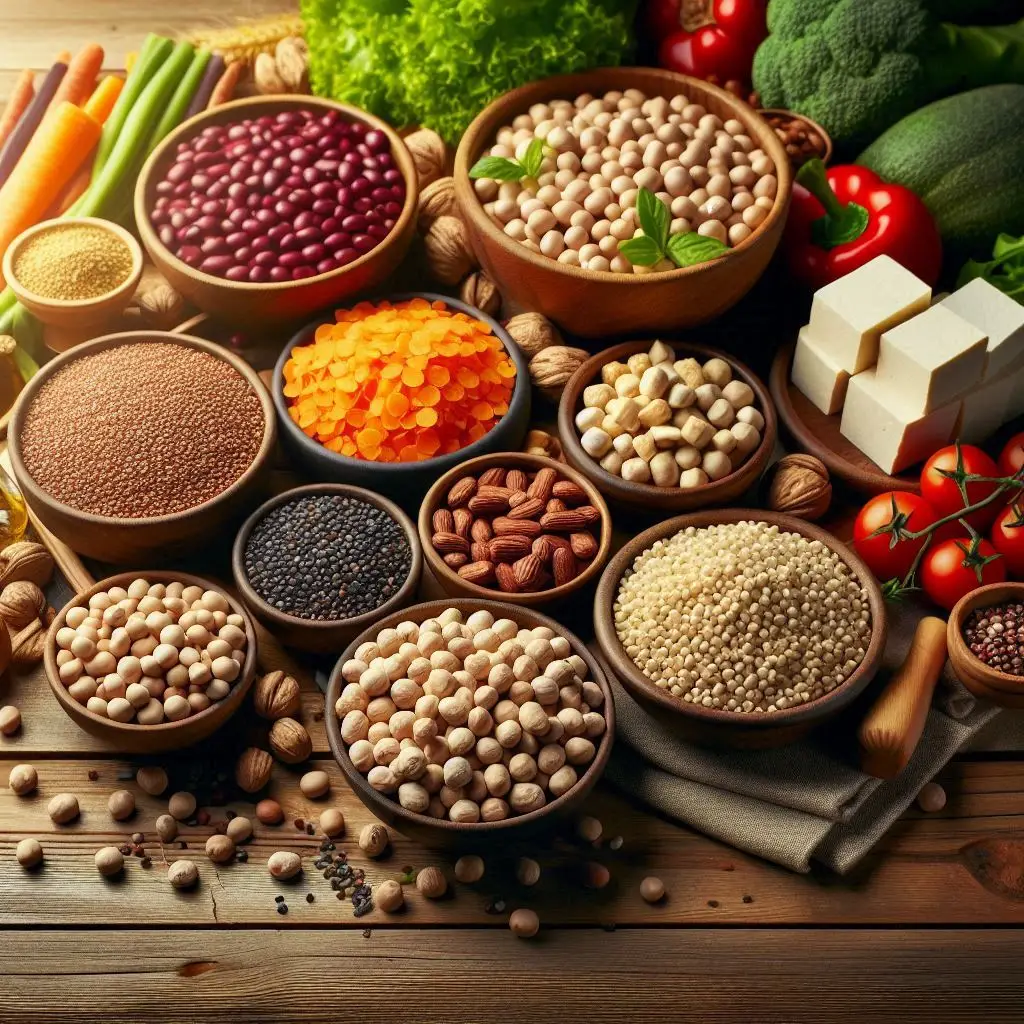
One of the most common concerns among beginners is getting enough protein. However, the truth is that there are many plant-based sources rich in protein, such as lentils, chickpeas, beans, tofu, and quinoa. In addition, nuts and seeds are excellent sources of protein and healthy fats.
Benefits of plant-based protein:
1. Supports muscle growth and maintains physical strength.
2. Helps you feel full for longer periods, which reduces the desire to eat unhealthy foods.
3. Reduces the risk of certain chronic diseases such as heart disease and high blood pressure.
You can start by adding a plant-based protein source to each meal, such as lentils in soup or a bean salad with grains. This method helps the body meet its daily needs without relying on meat.
3- Trying New Recipes and Flavors:
There are many plant-based alternatives to dairy, meat, and other animal products.
Examples of plant-based ideas:
1. “Black bean burgers” with whole-grain buns and fresh vegetables.
2. “Vegetable curry with chickpeas” served with brown rice or quinoa.
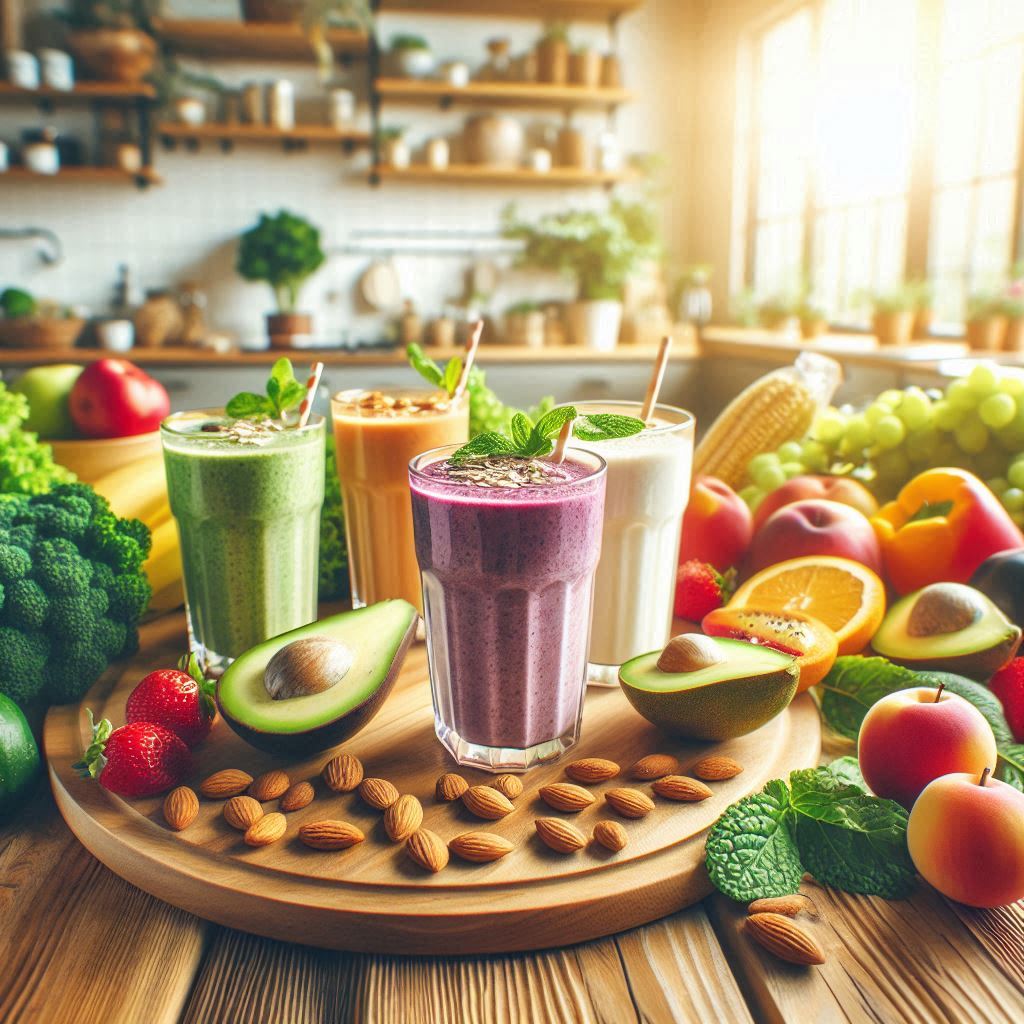
3. “Fruit and vegetable smoothies” with almond milk or oat milk.
Variety in food not only makes the experience enjoyable, but also ensures better nutritional balance and reduces boredom that may occur when transitioning to a new diet.
4- Supplements to Support Your Plant-Based Diet Transition:
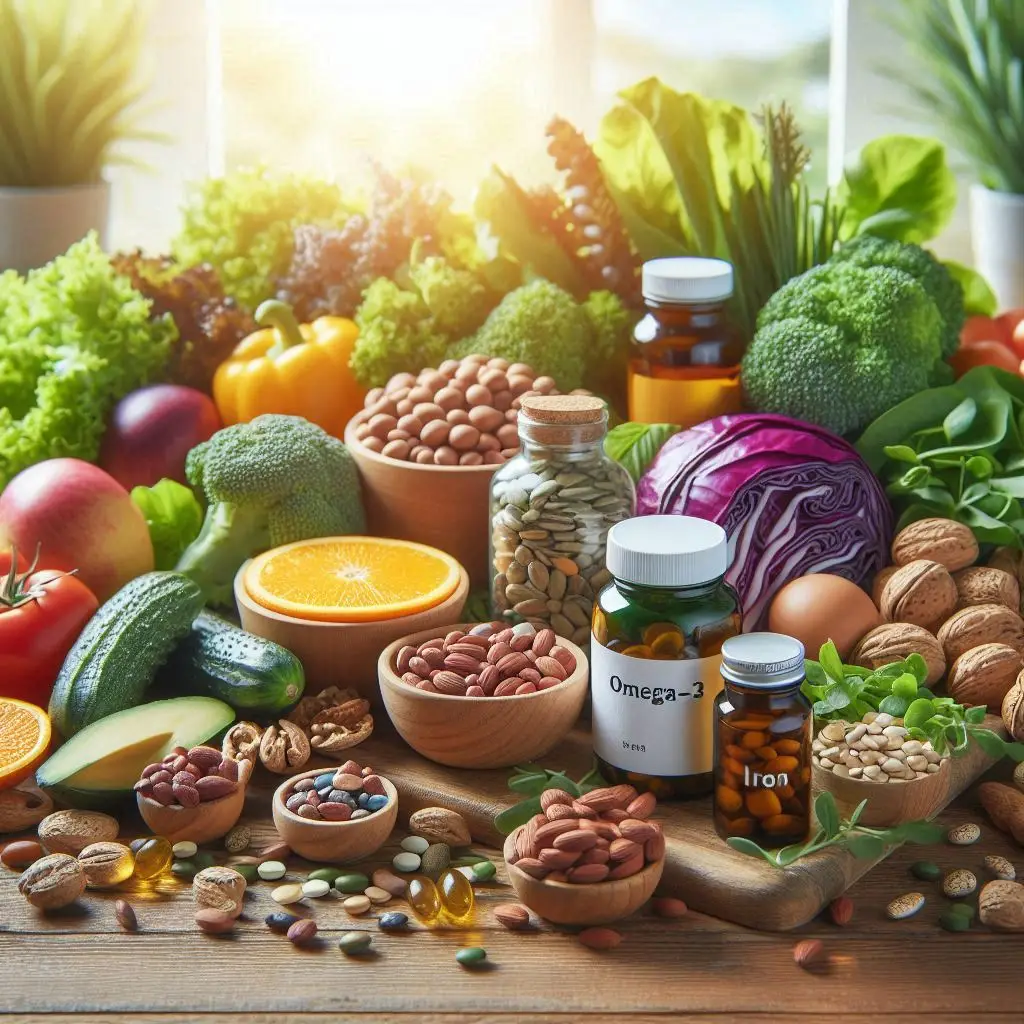
A plant-based diet is balanced and healthy, but it may require some supplements to ensure all essential nutrients are obtained, especially at the beginning of the transition. The most important nutrients to monitor include:
1. Vitamin B12: A vital vitamin for red blood cell formation and preventing anemia. Vitamin B12 is mostly found in animal products, so it can be difficult to get enough from a strictly plant-based diet. Therefore, it is important to rely on vitamin supplements, fortified breakfast cereals, and fortified soy products.
2. Vitamin D: Important for bone health and immunity, especially if sun exposure is limited.
3. Iron and zinc: Found in legumes, nuts, and whole grains, but in some cases, a supplement may be needed to compensate for deficiency.
4. Omega-3: Found in flaxseeds, walnuts, and chia seeds, but in lower concentrations than animal sources such as fish, so plant-based supplements may help.
With proper monitoring, it is often possible to meet all nutritional needs without health problems, especially when a wide variety of foods is included.
5- Meal Planning and Monitoring Nutritional Balance:
When you have a clear meal plan, transitioning to a plant-based diet becomes easier and more reliable in terms of meeting nutritional needs. Planning not only saves time, but also reduces reliance on ready-made or unhealthy foods during busy moments.
Tips for successful plant-based meal planning:
1. Prepare a weekly meal plan that includes diverse sources of protein, healthy carbohydrates, beneficial fats, and fruits and vegetables.
2. Prepare meals or ingredients in advance, such as cooking legumes or chopping vegetables, to make quick cooking during the week easier.
3. Track nutritional intake in a simple way, whether through nutrition-tracking apps or daily notes, to ensure adequate intake of iron, calcium, protein, and essential vitamins.
4. Try new recipes regularly to avoid boredom, focusing on combining different flavors and ingredients.

Transitioning to a plant-based diet can be an enjoyable and beneficial journey for both health and the environment, especially when done gradually and mindfully. Starting with small steps, learning about plant-based protein sources, trying creative recipes, monitoring supplements when needed, and planning balanced meals are all factors that help beginners succeed in their journey.
In the end, transitioning to a plant-based diet is not just a health decision; it is an experience of exploring food, flavors, and a new lifestyle that can completely change the way we look at eating. And on our website Nutrition Travels, you will find all the information that helps you on your journey in a safe and practical way.