Proper hydration is one of the fundamentals of overall health, and it is essential for maintaining both physical and mental performance. However, with so much conflicting information about water and the ideal amount to drink daily, it’s easy to fall into some misconceptions that could affect our health. If you are interested in nutrition or simply someone trying to follow a healthy lifestyle, these five hydration myths might be closer to you than you think, and they might make you reconsider your daily habits.
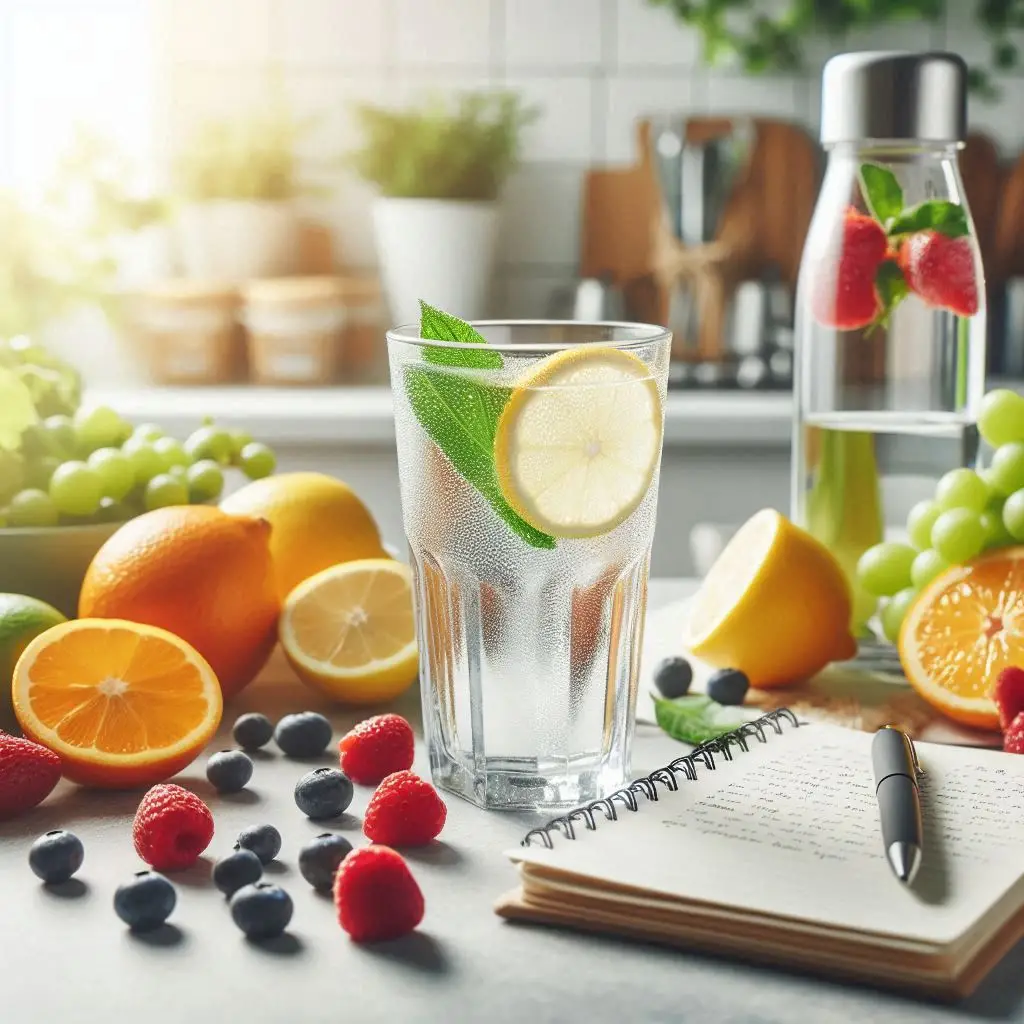
1- You must drink exactly 8 glasses of water a day:
You’ve probably heard that every person should drink at least 8 glasses of water daily, but this is not entirely accurate. Research shows that drinking more water than needed can dilute electrolyte levels in the blood, and people with heart or kidney conditions may face serious health risks if they overhydrate.
2- Drinking fluids is the only way to stay hydrated:
Many people think that drinking water or fluids is the only way to hydrate the body, but nearly 20% of the body’s fluid intake comes from food such as fruits, vegetables, and other beverages.

3- If you’re not thirsty, you’re adequately hydrated:
This belief is widespread, but the body does not always show signs of thirst before mild dehydration begins. Some people, especially older adults, may not feel thirsty easily, increasing the risk of mild dehydration without noticing. Therefore, relying solely on thirst can be misleading. It is better to pay attention to other signs such as fatigue, headache, or lack of concentration, which all indicate the body might need more water.
4- Drinking water leads to weight loss:
Water does not have any special weight-loss properties. Although there is no evidence that drinking more water directly reduces weight, it can be a helpful tool for people following a diet because it contains no calories.
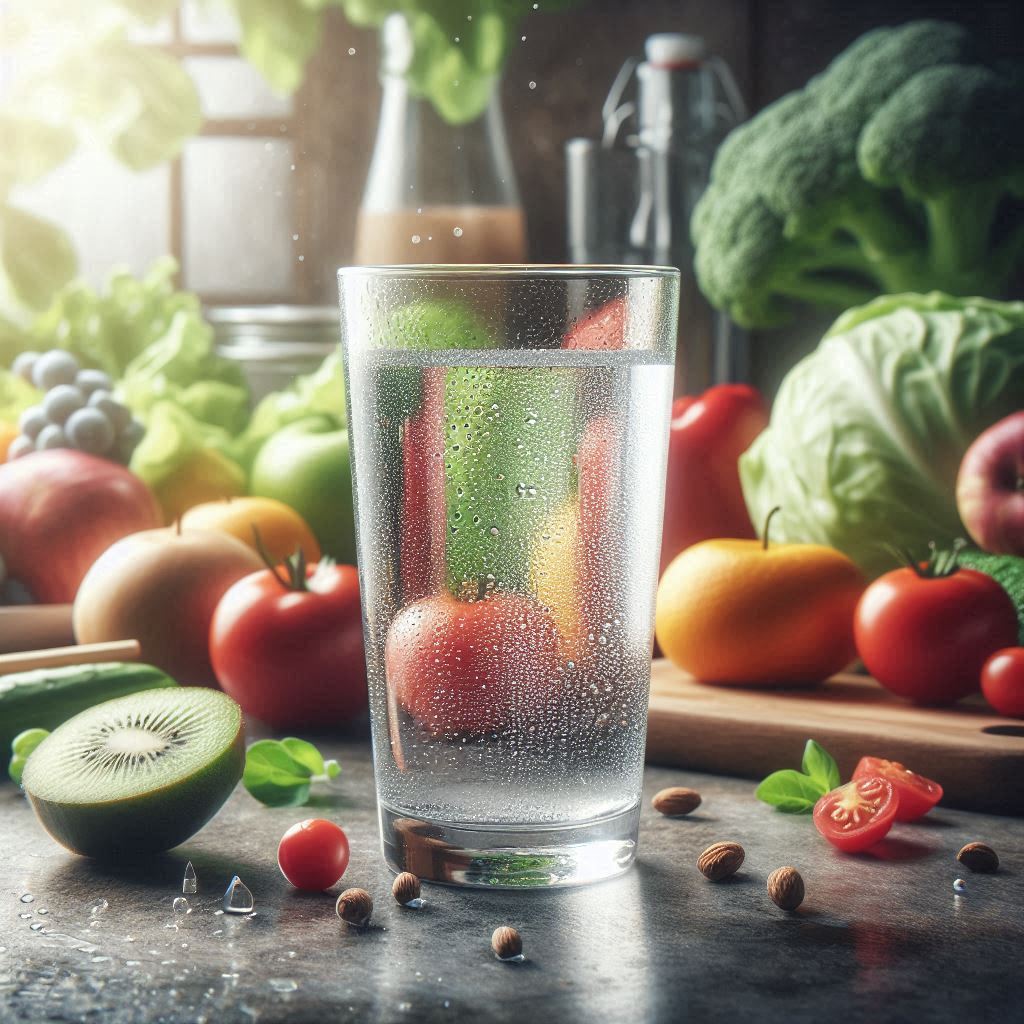
5- The more water you drink, the better:
This belief is common among people trying to boost their health or lose weight. While drinking water is important, overhydration can be harmful, especially if it exceeds what the body can process. Drinking excessive amounts of water can lead to “water intoxication” or a dangerous drop in blood sodium levels. Balance is key, and knowing your body’s personal needs is better than following a fixed number.
Practical Tips for Better Hydration:
1. Start your day with a glass of water to activate your body after sleep.
2. Carry a water bottle with you throughout the day to remind yourself to drink fluids.
3. Eat fruits and vegetables high in water content, such as cucumber, watermelon, and oranges.
4. Monitor your body’s performance during exercise, and make sure to drink before, during, and after workouts.
5. If you find it difficult to drink water, try adding lemon slices or mint to make it more enjoyable.

Hydration is more than just drinking 8 glasses of water a day, and more than simply responding to thirst. Understanding your body’s needs, monitoring subtle signs of hydration, and using multiple sources of fluids are all steps that help maintain overall health and brain performance. Proper nutrition includes fluids as much as it includes food, and good hydration can be a key factor in maintaining energy, focus, and mood.
At Nutrition Travels, we provide accurate, research-based information to help you understand the true hydration your body needs, rather than relying on myths or inaccurate information.