
In today’s world of nutrition, there is a lot of talk about healthy foods and various diets, but the truth is that many of these beliefs are based on incorrect or exaggerated information. Nutrition experts and recent scientific research have helped clarify many misconceptions about food and health, revealing myths that still influence the way people think about what they should eat and avoid.
In this article, we will go through 10 common nutrition myths debunked by scientific studies, explaining the facts in a simple and easy-to-understand way for anyone interested in their health and dietary habits.
1- Carbohydrates Cause Weight Gain:
Carbohydrates are often seen as the enemy, but they are not the main cause of weight gain. As with anything, it all comes down to balance and choosing the right type. Weight gain occurs when we consume more calories than we burn, whether those calories come from carbohydrates, proteins, or fats. Choosing fiber-rich carbohydrates (such as whole grains, fruits, and vegetables) while limiting added sugars (like sweetened beverages, desserts, and pastries) can help you feel full and is linked to many health benefits, including reduced risk of heart disease and type 2 diabetes.
On the other hand, avoiding carbohydrates can lead to deficiencies in essential nutrients like vitamins B, calcium, and dietary fiber, and may increase the consumption of saturated fats (which increases the risk of chronic diseases) and negatively affect your relationship with food.
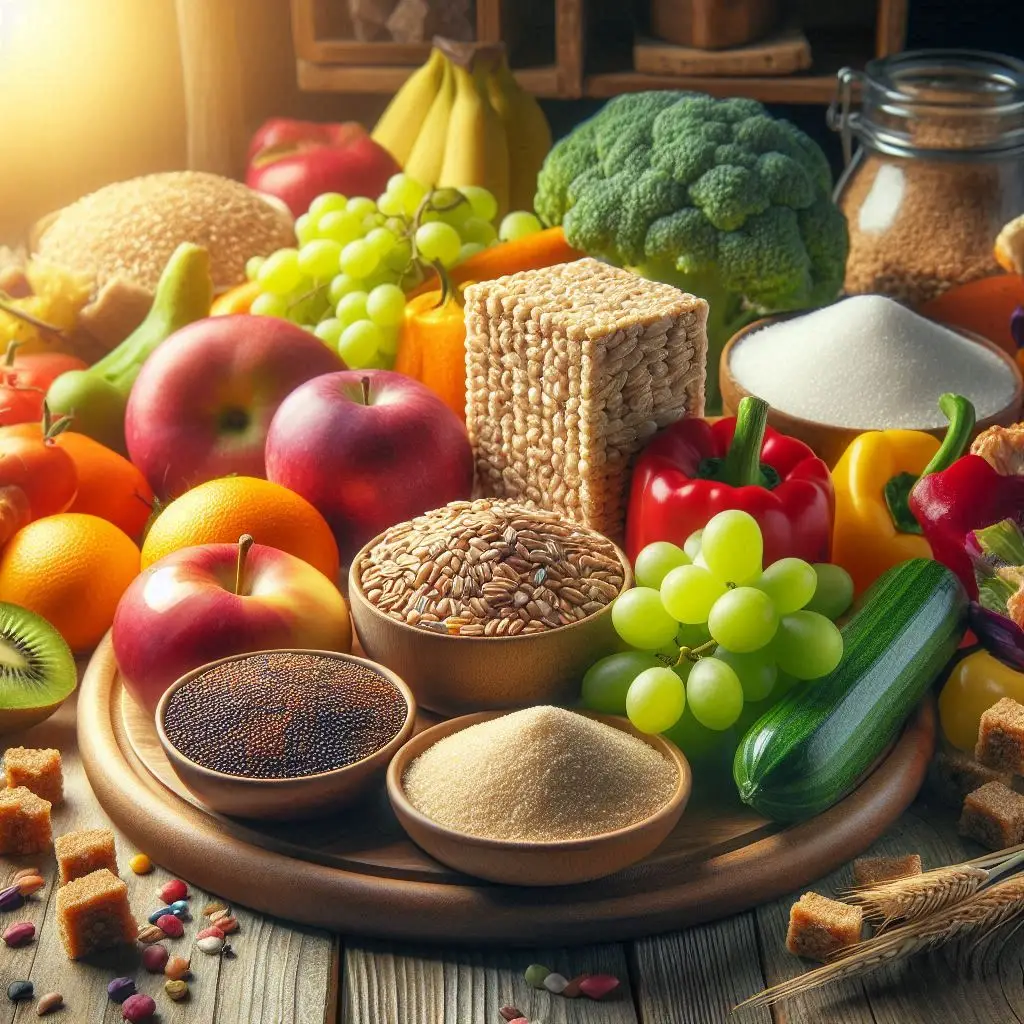
2- Gluten-Free Food is Beneficial for Everyone:
Gluten is a protein found in wheat and barley that gives products like bread their soft texture. Unless you have a gluten sensitivity, there’s no need to remove gluten from your diet.
The presence or absence of gluten does not indicate the overall nutritional value of a food product. Many gluten-free foods may be high in added sugar, salt, and fat. A well-planned gluten-free diet that includes plenty of fiber-rich foods and meets nutritional needs can be healthy, but there is no conclusive evidence that gluten increases the risk of chronic diseases.
Studies suggest that consuming gluten may even reduce the risk of heart disease and diabetes, likely because these diets are rich in nutritious whole grains.
3- Fresh Fruits and Vegetables are Always Healthier Than Frozen:
When it comes to fruits and vegetables, it is widely believed that only fresh ones provide real health benefits. However, recent research shows that canned, frozen, and dried products can retain nutritional value similar to their fresh counterparts.

4- Brown Sugar is Healthier Than White Sugar:
Brown sugar is often promoted as “healthier” than white sugar. Its color comes from molasses residue. Brown sugar is mostly white sugar with a small amount of molasses. While molasses contains some vitamins and minerals, such as potassium and magnesium, the amount in a typical package of brown sugar is very small. If you aim for a healthy diet, the best choice is to minimize or avoid added sugar altogether.
5- Avoiding Eggs Because They Are High in Cholesterol:
Some people believe that avoiding eggs helps with weight loss, but studies show that a balanced and moderate diet across all food groups has a greater effect on weight than eliminating a specific food entirely. The key is focusing on healthy choices and portion control.

6- Healthy Juices Are Always Good:
Natural juices may seem healthy, but they often contain high sugar levels and lack the fiber found in whole fruits. Eating whole fruits provides satiety and slows sugar absorption, while juice can cause a rapid spike in blood sugar. Therefore, moderation is important, and it is better to consume whole fruits rather than packaged or sweetened juices.
7- Salt is Always Harmful:
Salt itself is essential for the body, helping balance fluids and support nerve and muscle function. The real problem is excessive intake, especially from processed foods. Studies show that reducing salt can lower blood pressure, but the body needs a moderate amount daily, and following a very low-salt diet without medical supervision is not healthy.

8- You Must Eat Meat to Get Enough Protein:
Although meat is a rich source of protein, many plant-based foods also provide ample amounts. Beans, lentils, chickpeas, nuts, seeds, and whole grains all contribute to meeting your protein needs.
Animal protein is usually considered “higher quality” than plant protein because it contains all essential amino acids in adequate amounts. Most plant proteins lack one or more essential amino acids, but combining different plant sources can provide complete protein.
9- Fat Always Makes You Fat:
One of the most widespread myths is that all fats are bad for the body and are the main cause of weight gain. The truth is that the body needs fats for brain health, skin, and hormone production. Recent studies indicate that quality is more important than quantity; healthy fats like olive oil, nuts, and avocado can help you feel full and improve heart health, while excessively processed or saturated fats may be harmful. Not all fats are “bad”, and some are essential for a healthy body.
10- Breakfast is Always the Most Important Meal of the Day:
The belief that breakfast is the most important meal has become widespread, but it is not absolute. Recent studies show that people practicing intermittent fasting or delaying breakfast can still maintain good health and lose weight, as long as total calories and food quality are balanced. Therefore, the real importance of breakfast depends on a person’s lifestyle and needs.

The nutrition world is full of conflicting information and widespread myths. Today, science helps us understand that balance, moderation, and choosing high-quality foods are far more important than following strict rules or blindly believing popular myths.
At Nutrition Travels, we provide accurate and reliable nutrition information so you can focus on eating a diverse diet rich in vegetables, fruits, healthy protein, and good fats, while reducing added sugars and processed foods, instead of getting caught up in myths that no longer have scientific support.