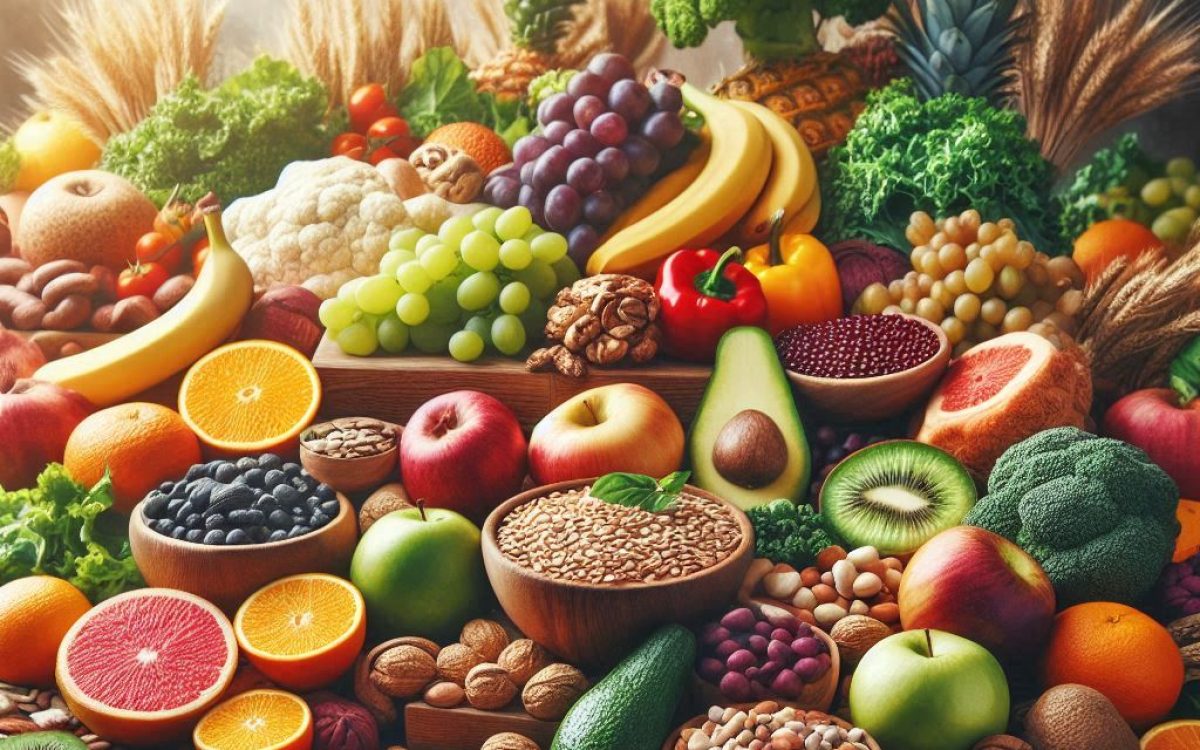
In the world of nutrition, feeling full for a longer period is one of the most important factors that help with weight management and overall health improvement. Dietary fiber, found in a variety of plant-based foods, plays a key role in this. It not only provides a feeling of fullness but also contributes to improving digestive health, regulating blood sugar levels, and supporting heart health.
Many people may find it difficult to choose foods that contain an adequate amount of fiber, especially with the variety of food products available today, whether processed or natural. Therefore, knowing the best high-fiber foods becomes essential for anyone looking to manage their appetite in a healthy way.
What is Dietary Fiber and How High-Fiber Foods Work:
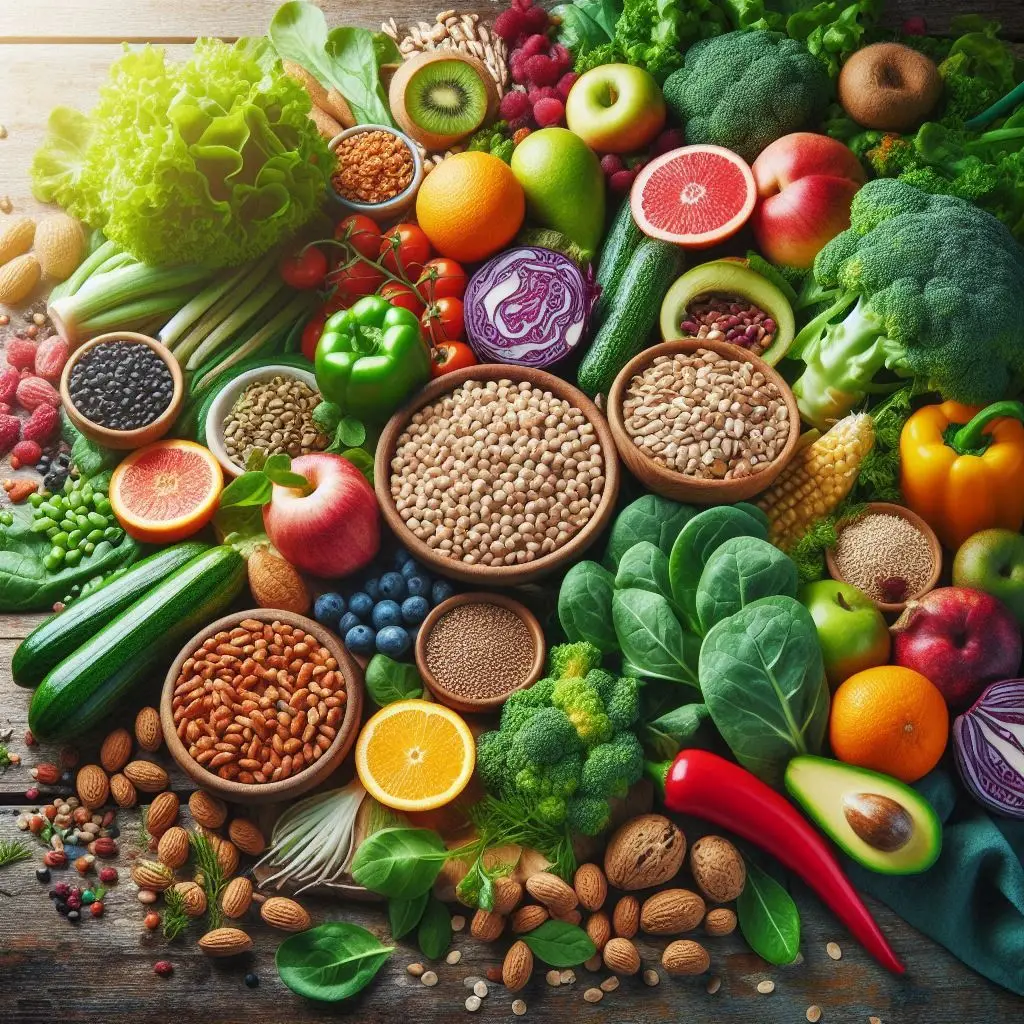
Dietary fiber, also known as roughage, is a type of carbohydrate that the body cannot digest. Fiber is mainly found in fruits, vegetables, nuts, seeds, legumes, and whole grains. Consuming an adequate amount of dietary fiber supports healthy and regular bowel movements, heart health, digestive health, weight management, and may reduce the risk of diabetes. Fiber is classified into two types: soluble fiber and insoluble fiber.
1. Soluble Fiber:
Soluble fiber dissolves in water. When dissolved, it helps support gut health by increasing the beneficial bacteria in the intestines.
2. Insoluble Fiber:
Insoluble fiber does not dissolve in water. This type of fiber can help speed up the passage of food through the intestines.
The Best High-Fiber Foods:
1. Whole Grains:
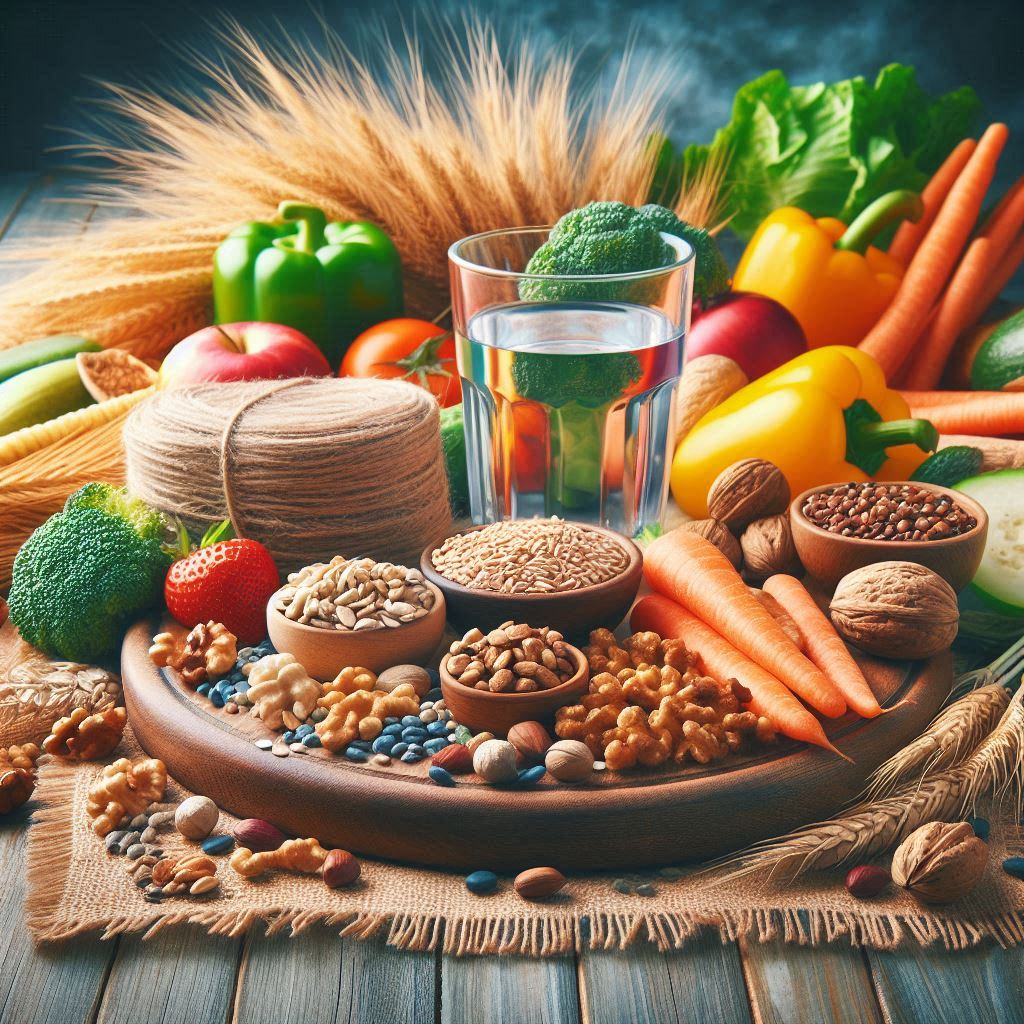
Whole grains such as oats, brown rice, quinoa, and barley provide a high amount of fiber. Oats, for example, contain a type of soluble fiber called beta-glucan, which helps slow carbohydrate digestion and keeps you feeling full for a longer time. Whole grains also support heart health by reducing levels of LDL (bad) cholesterol.
2. Legumes:
Legumes include beans, lentils, chickpeas, and peas. These foods are not only rich in fiber but also contain plant-based proteins that help increase satiety. Including legumes in your daily diet can be an excellent choice for those seeking to control weight or maintain stable energy levels throughout the day.
3. Fruits: Delicious High-Fiber Snacks:
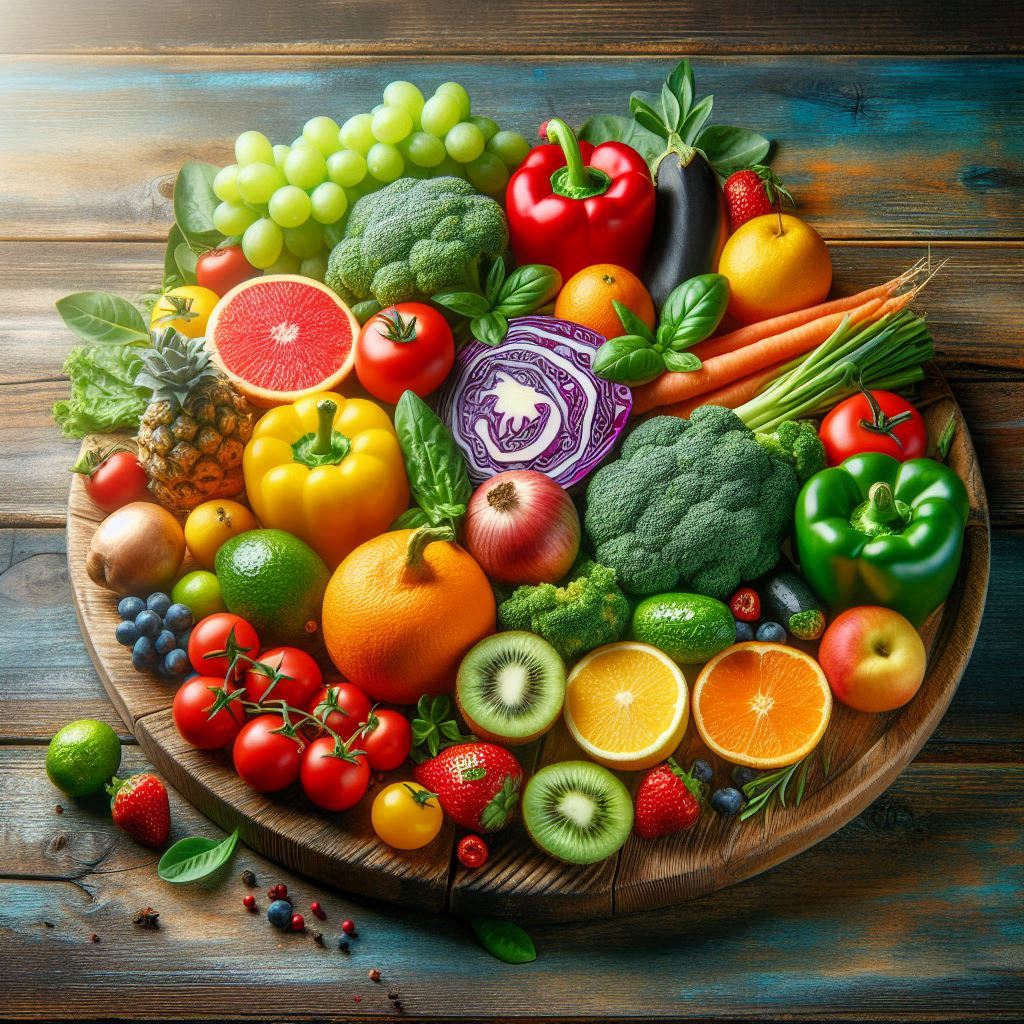
Fruits are not just a natural source of vitamins and minerals; they also contain both soluble and insoluble fiber. Apples, pears, berries, oranges, and bananas all help enhance fullness. Berries, in particular, are rich in antioxidants and fiber, making them an excellent choice for healthy snacks.

4. Vegetables:
Leafy vegetables like spinach, cabbage, and lettuce, along with cruciferous vegetables like broccoli and cauliflower, are great sources of fiber. These foods are low in calories and help promote satiety while providing high nutritional value.
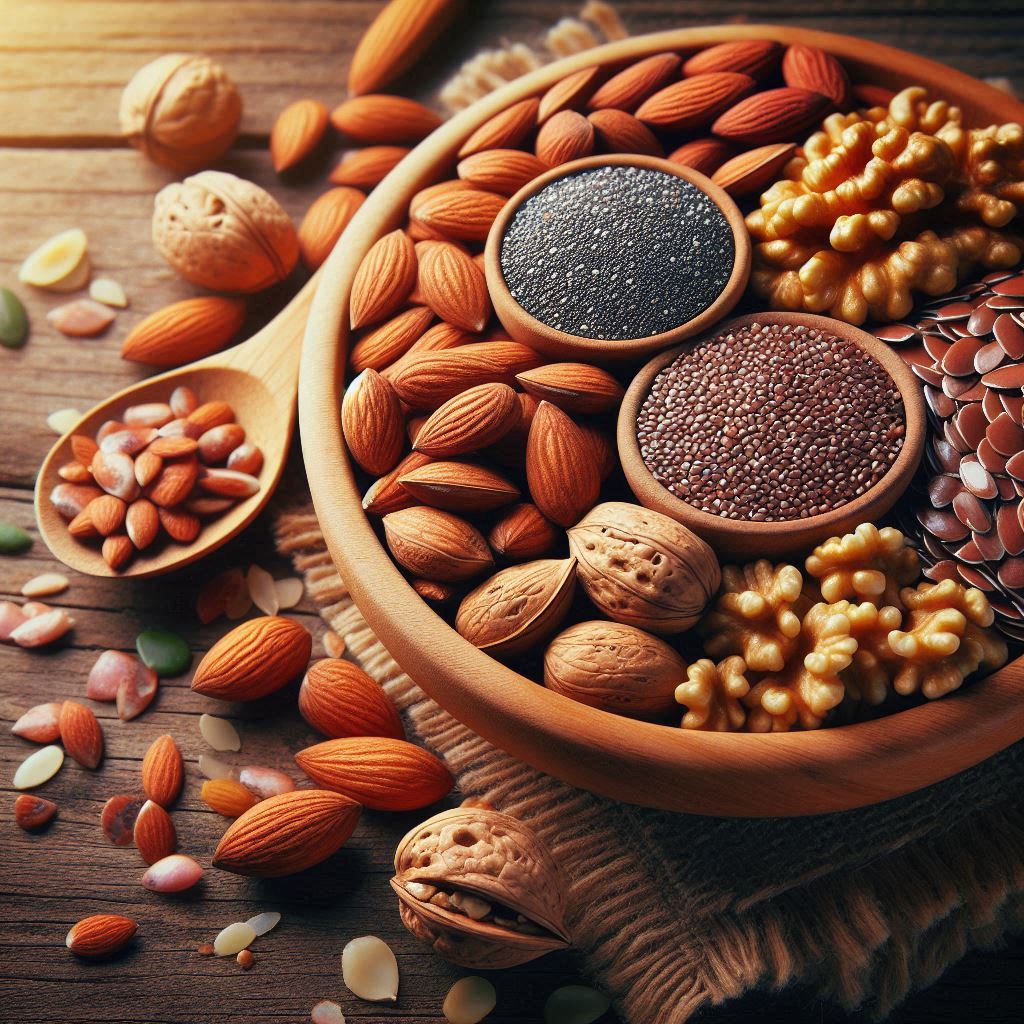
5. Nuts and Seeds: Quick High-Fiber Boost:
Almonds, walnuts, chia seeds, and flaxseeds provide healthy fiber and heart-healthy fats. This group of foods quickly increases the feeling of fullness and helps prevent intense sugar cravings between meals.
Health Benefits of Eating High-Fiber Foods:
1. Slows carbohydrate and sugar absorption, helping maintain stable blood sugar levels.
2. May reduce the risk of colon cancer.
3. Helps manage weight by improving satiety and keeping you full for longer.
4. Lowers cholesterol levels.
5. Improves digestion.
Tips to Add More Fiber to Your Diet:
1. Start with a fiber-rich breakfast.
2. Eat whole grains.
3. Add more fiber to baked goods.
4. Get used to including legumes in your meals.
5. Consume fruits and vegetables regularly.
Dietary fiber is one of the most important elements that help maintain health and keep you feeling full for longer. Including a variety of whole grains, legumes, fruits, vegetables, and nuts in your daily diet can be an effective way to control appetite, support digestive health, and regulate energy levels. People interested in nutrition and looking for natural ways to manage their weight or increase satiety may find dietary fiber to be a strong and natural ally in their daily lives.
At Nutrition Travels, we are committed to providing reliable and useful nutritional information to help you choose the right foods and achieve a healthy and balanced lifestyle. Consuming high-fiber foods is not just a way to control appetite; it is a lifestyle that supports the entire body from within and enhances the ability to enjoy a long-term, balanced diet.