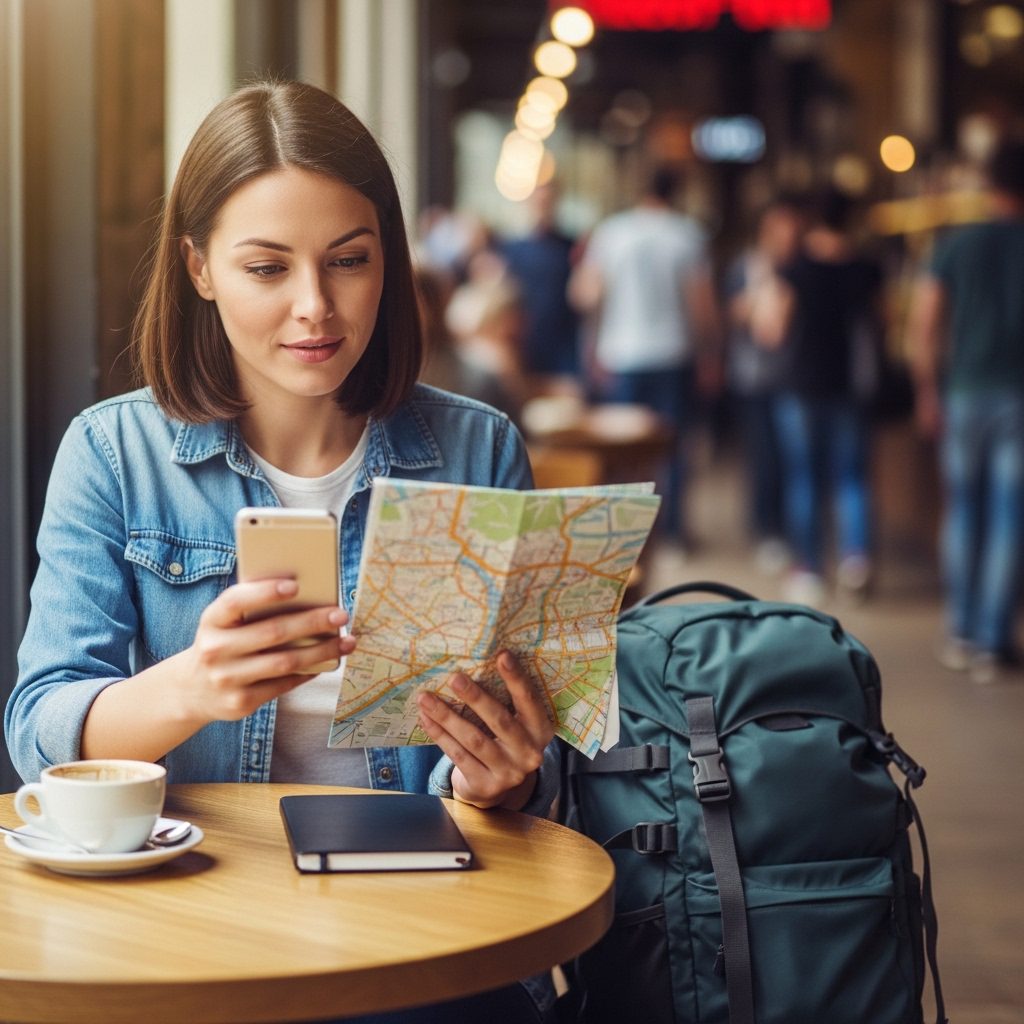

One of the biggest challenges travelers face today is how to stay connected abroad to the internet and phone services while traveling abroad—without falling into the trap of high costs or technical issues.
Should you rely on a physical SIM card? Or switch to the digital eSIM everyone is talking about?
In this article, we’ll compare both options step by step, in simple language, so you can choose the best solution for your trip and your budget.
Why Has Staying Connected Become a Real Travel Challenge?
In the past, traveling meant temporarily disconnecting from the world. Today, connectivity is no longer a luxury—it’s a necessity.
We rely on the internet for:
- Maps and navigation
- Booking transportation and accommodation
- Staying in touch with family and work
- Sharing travel moments in real time
The problem is that international roaming is often extremely expensive. That’s where the real search begins for how to stay connected without spending a fortune.
How to Stay Connected Abroad : What Is a Physical SIM Card?
A physical SIM card is the traditional card we all know, inserted manually into the phone. When traveling, you usually have three options:
- Use your home SIM with international roaming
- Buy a tourist SIM at the airport
- Purchase a local SIM card in your destination country
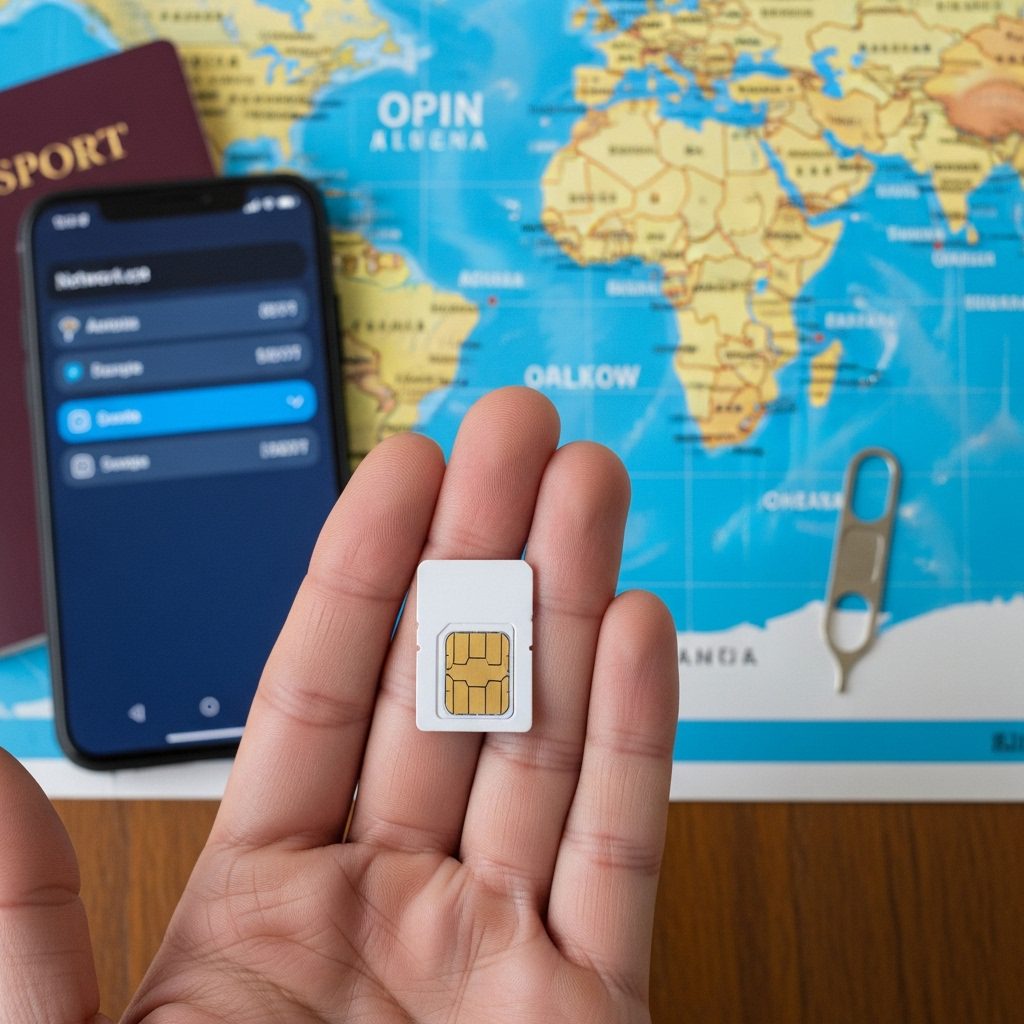
Advantages of a Physical SIM Card :
- Compatible with almost all phones
- Easy to understand and use
- Available in nearly every country
Disadvantages of a Physical SIM Card :
- Requires manually changing the SIM
- Risk of losing your main SIM
- Harder to compare data plans quickly
- Airport SIM cards are often overpriced
For many travelers, these drawbacks lead them to rethink how to stay connected in a more flexible way.
What Is an eSIM?
An eSIM is a digital SIM embedded inside your phone. There’s no physical card involved. You simply scan a QR code or download settings, and you’re connected instantly.
Why Has eSIM Become So Popular?
Because it offers a modern solution to the problem of how to stay connected while traveling—especially for those who:
-
- Travel frequently
- Visit multiple countries in one trip
- Don’t want to waste time searching for SIM shops

Advantages of an eSIM
-
- Instant activation before or after arrival
- No need to remove your physical SIM
- Keep your primary phone number active
- Clear, travel-specific data plans
Disadvantages of an eSIM
-
- Not supported by all older phones
- Requires proper setup
- Some plans don’t include traditional calls
How to Stay Connected Abroad Without Spending a Fortune: Which Is Actually Cheaper?
Now that we’ve covered the basics, it’s time to answer the most important question for travelers:
Which option is smarter and more cost-effective when it comes to staying connected?
The answer isn’t just about price—it depends on how you travel, how long you stay, and how many countries you visit.
Cost Comparison: Where Does Your Money Really Go?
Many travelers assume that a local physical SIM is always cheaper, but the reality is more nuanced.

Cost of a Physical SIM
-
- Airport SIMs are usually more expensive
- Data packages may be limited
- You need a new SIM for each country
- Time wasted searching and activating
On multi-country trips, costs add up quickly—even if the initial price seems low.
Cost of an eSIM
-
- Transparent, fixed-price data plans
- No hidden fees or surprises
- Regional or global packages available
- No SIM swapping required
This is why eSIM has become a popular choice for travelers looking to stay connected without draining their budget.
How to Stay Connected Abroad : Which Option Is Best Based on Your Travel Style?
To truly understand how to stay connected effectively, ask yourself what type of traveler you are.
Short Trips (3–7 Days)
-
- A local SIM may work well
- Or a small eSIM plan to save time
Multi-Country Travelers
-
- eSIM is the smarter option
- No SIM changes between countries
- Full control over data usage
Business Travelers or Long Stays
-
- eSIM offers stability and flexibility
- Keep your main number active
- Easy plan switching
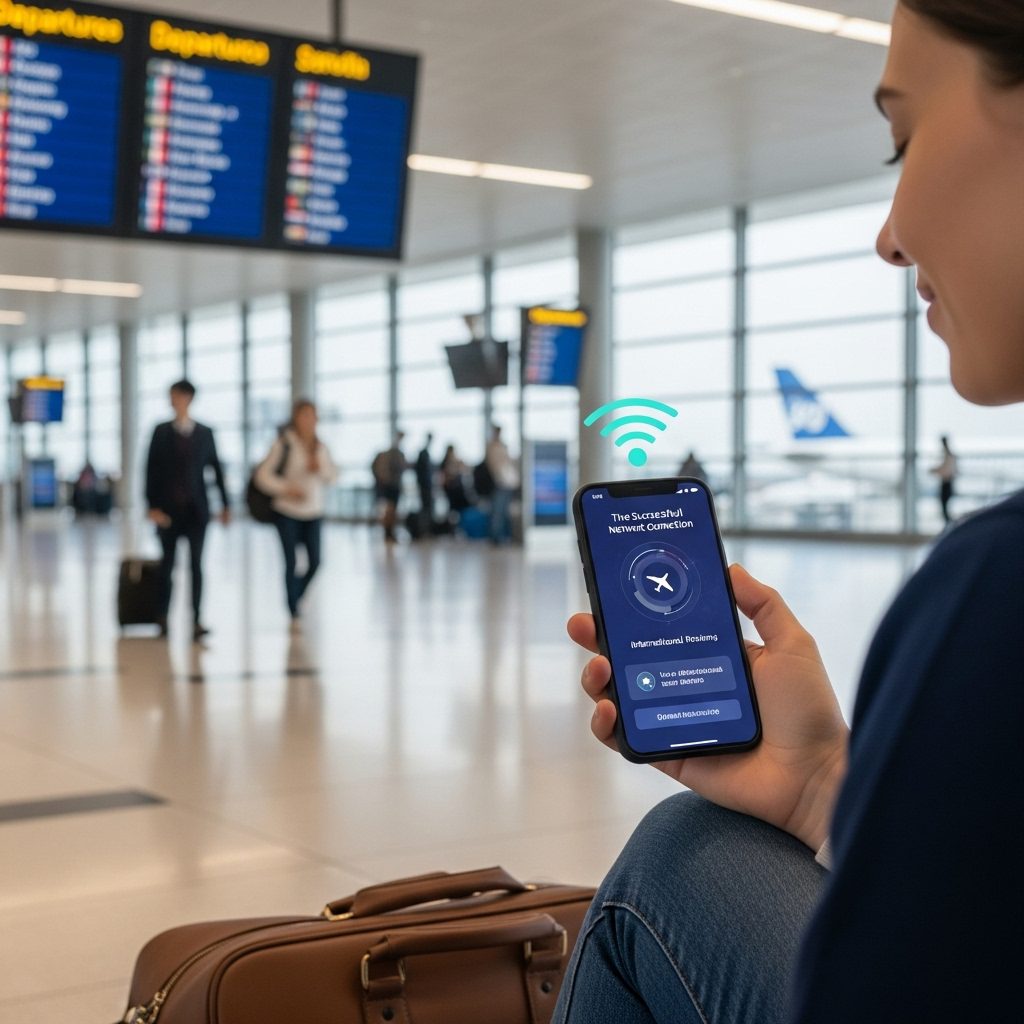
How to Stay Connected Abroad : Common Mistakes Travelers Should Avoid
Many travelers think they’ve solved the problem of how to stay connected, but still make simple mistakes, such as:
- Relying only on public Wi-Fi
- Buying SIM cards at the airport without comparing prices
- Activating roaming without checking fees
- Not confirming eSIM compatibility
Avoiding these mistakes can save you both money and stress.
Practical Tips for Choosing the Right SIM
To get the best experience when staying connected abroad, keep these tips in mind:
- Check if your phone supports eSIM before traveling
- Compare plans based on data volume, not just price
- Choose a plan that matches your trip length
- Activate your SIM before arrival if possible
These simple steps ensure reliable connectivity and a smoother travel experience.

How to Stay Connected Abroad : What’s the Smartest Choice?
There’s no single perfect option for everyone—but:
- A physical SIM works well for short trips in one country
- An eSIM is ideal for multi-country travel and maximum convenience
In the end, understanding how to stay connected is what protects your budget and makes your journey smoother and more enjoyable.
If you’re planning a trip and looking for smart tips on how to stay connected—along with budget travel guides and real-world travel insights—
don’t forget to visit nutritiontravels for practical content designed for the modern, savvy traveler.