
Traveling with kids is one of the most rewarding experiences a family can have, but it also comes with unique challenges. Parents often wonder how to make vacations fun while also being educational. Fortunately, educational travel offers the perfect balance: children enjoy new experiences, while parents help them learn about the world in a hands-on way. In this guide, we’ll explore practical strategies, destinations, and tips for transforming family vacations into meaningful learning adventures.

Why Educational Travel Matters
Children learn best when they are engaged and curious. Educational travel helps kids:
- Connect theory with reality: Visiting historical sites, museums, or natural environments makes abstract concepts tangible.
- Develop critical thinking: Exploring new cultures encourages observation, analysis, and problem-solving skills.
- Boost social skills: Interacting with different people and environments builds communication and adaptability.
- Encourage independence: Traveling teaches kids responsibility, decision-making, and self-reliance in new situations.
- Foster curiosity and creativity: Exposure to new places and ideas sparks imagination and lifelong learning.
By making learning a natural part of travel, children gain skills and memories far beyond the classroom.

Planning an Educational Trip
- Set Learning Goals:
Before traveling, define what your child will learn. For example, you might explore:
- History and culture through museums and historical sites
- Science and nature in zoos, aquariums, or national parks
- Arts and creativity via workshops, performances, or architecture
Setting clear goals ensures your vacation is both fun and meaningful.
- Involve Your Child in Planning:
Children feel more motivated when they have a say in the trip. Let them choose activities, landmarks, or local foods to try. This fosters ownership and excitement. - Create a Flexible Schedule:
Plan the day around key learning experiences but allow time for spontaneous exploration. Avoid overpacking the itinerary, which can lead to stress rather than enjoyment. - Prepare in Advance:
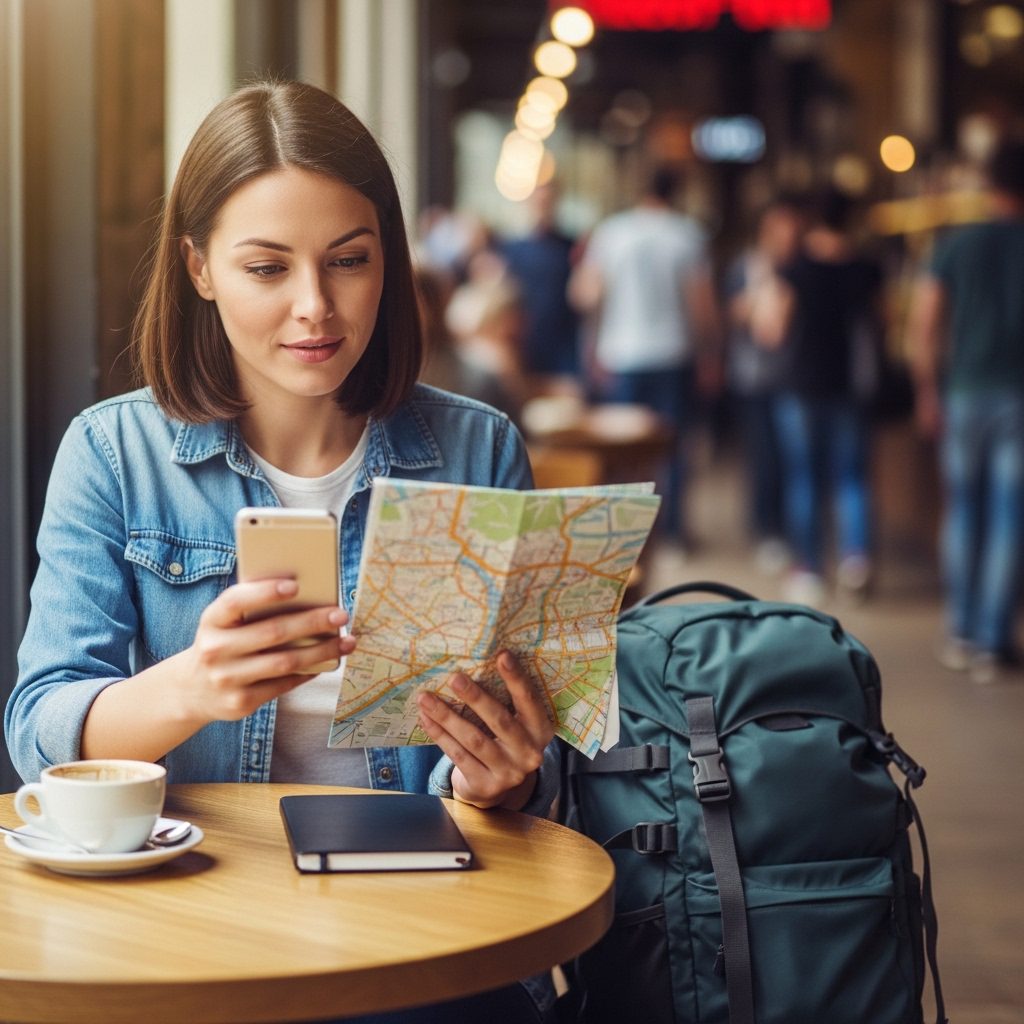
Introduce children to the destination through books, videos, or maps. Discuss what they might see and ask questions to spark curiosity.
Types of Educational Experiences
- Cultural and Historical Learning:
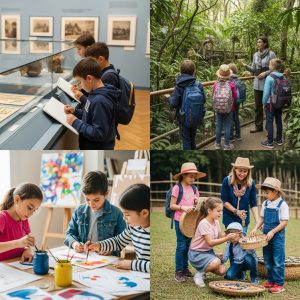
- Visit museums, historical towns, and heritage sites.
- Engage kids with storytelling or scavenger hunts to identify important landmarks.
- Encourage them to write or draw what they observe.
- Nature and Science Exploration:
- Zoos, aquariums, botanical gardens, and wildlife parks are ideal.
- Use outdoor adventures like hiking, camping, or nature walks to teach about ecosystems.
- Include simple experiments, like observing plants or tracking wildlife.
- Creative Learning:
- Art classes, crafts, and music workshops introduce kids to creative expression.
- Architecture and city exploration stimulate imagination and appreciation of design.
- Encourage journaling, sketching, or photography to document the trip.
- Community Engagement:
- Visiting local markets, farms, or community projects helps kids understand different lifestyles.
- Volunteer activities, even small ones, teach empathy and social responsibility.
Destination Ideas for Educational Travel
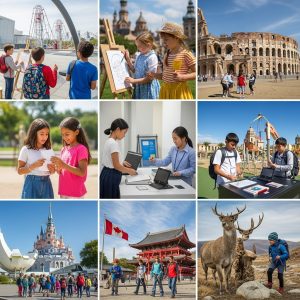
Some destinations are naturally suited for children’s learning:
- Europe:
- Paris: Disneyland, science museums, and historical landmarks
- Rome & Florence: Ancient ruins, art workshops, and cultural tours
- Barcelona: Parks, interactive museums, and local crafts
- Asia:
- Singapore: Science centers, educational theme parks, and multicultural experiences
- Japan: Historical temples, technology exhibits, and hands-on cultural workshops
- North America:
- Washington D.C.: Museums, historical monuments, and interactive exhibitions
- Canada: National parks, wildlife tours, and science museums
- Other options:
- Dubai, Istanbul, and New Zealand offer a mix of nature, culture, and interactive learning experiences.
On-the-Go Learning Activities
Even during travel, simple activities make every moment educational:
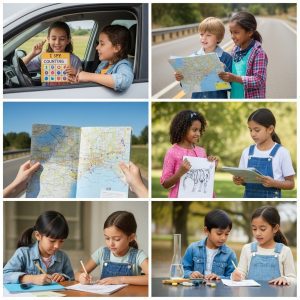
- Road Trip Games:
- “I Spy” to enhance observation
- Counting games with colors, vehicles, or signs
- Geography quizzes: Identify landmarks or cities on a map
- Creative Journaling:
- Sketch scenes, animals, or buildings
- Write mini travel stories or notes about discoveries
- Interactive Challenges:
- Scavenger hunts at museums or parks
- Simple science experiments with natural materials
- Language games with locals to learn basic phrases
- Reflection and Discussion:
- Encourage kids to talk about what they learned
- Ask open-ended questions: “Why do you think this building was built this way?”
- Compare experiences with home life to deepen understanding
Balancing Fun and Learning
The key to educational travel is integrating learning naturally without making it feel like a school assignment. Tips include:
- Mix structured activities with free play
- Use games and exploration as learning tools
- Celebrate achievements and discoveries with small rewards
- Encourage curiosity and allow mistakes, as they are part of learning
Benefits of Educational Travel
When children travel with learning in mind, they gain:
- Enhanced knowledge: More understanding of history, science, culture, and geography.
- Life skills: Independence, problem-solving, and adaptability.
- Social development: Improved communication, empathy, and teamwork.
- Family bonding: Shared experiences strengthen relationships.
- Confidence and self-esteem: Mastering new skills and navigating unfamiliar places builds confidence.
Educational travel is an investment in a child’s personal growth and worldview.

Transforming your family vacation into an educational journey ensures that children gain knowledge, develop essential life skills, and create lasting memories. By planning thoughtfully, choosing engaging destinations, and incorporating fun learning activities, you can make every trip an opportunity for growth. Whether exploring historical cities, engaging with nature, or diving into interactive workshops, the world becomes a living classroom.
At Nutrition Travels, we believe that travel is not just about visiting new places—it’s about enriching young minds, nurturing curiosity, and fostering family connections that last a lifetime. Let every trip be an adventure, a lesson, and a memory rolled into one.