
In the world of nutrition, choosing the right healthy cooking oils has become more important than it seems. Oils are not just a means of cooking food; they are a primary source of fats that play a significant role in overall health, whether for the heart, brain, or even weight management. However, with so many types of oils, from olive oil to coconut oil, it can be difficult for the average person to determine which oil is best for daily cooking.
In this article, we will explore the most popular healthy cooking oils, their properties, and when they might be best used.
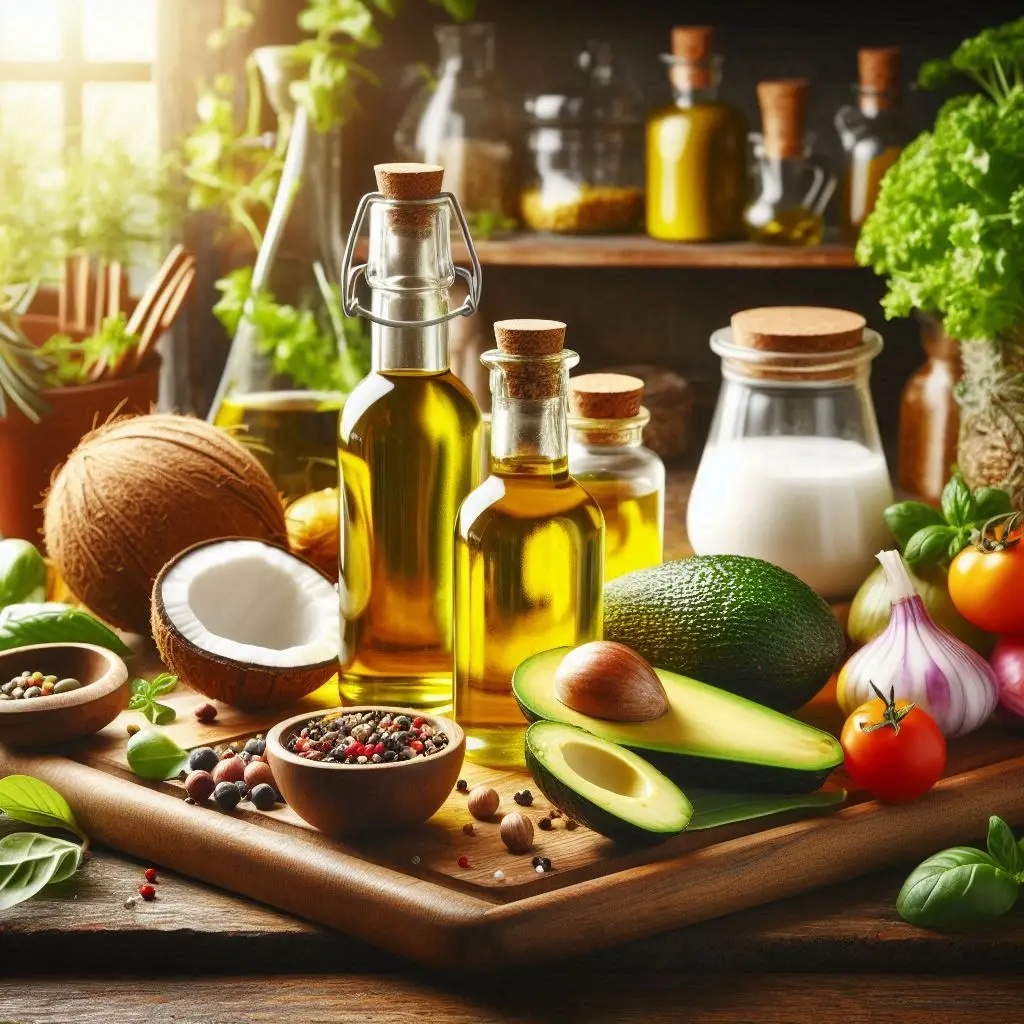
The Best Healthy Cooking Oils for Your Kitchen:
1. Coconut Oil:
Coconut oil is extracted from the flesh of coconuts, and there are two types: virgin coconut oil and regular coconut oil. The difference is that virgin coconut oil contains higher amounts of essential nutrients for the body, making it the preferred choice for cooking.
Health benefits:
1. Weight management: It contains high levels of lauric acid, which is transported to the liver and converted into energy instead of being stored as fat.
2. Improving good cholesterol levels: Which is very beneficial for overall health.
3. Enhancing brain and nervous system function: The chemicals in coconut oil, especially ketones, have been linked to reducing symptoms of brain-related diseases, including Alzheimer’s.
2. Olive Oil:
Olive oil is extracted by pressing the olives without altering their properties.
It is rich in monounsaturated fatty acids, which are healthy fats, and contains antioxidants and various nutrients. This composition gives olive oil the following health benefits when consumed directly or used in cooking:
1. Reduces the risk of cardiovascular diseases.
2. Improves and reduces symptoms of metabolic syndrome.
3. Reduces the risk of neurological disorders, including depression and Alzheimer’s disease.
4. Protects the liver from damage.
5. Helps reduce the risk of certain cancers.

3. Avocado Oil:
Avocado oil is a great option because it is unrefined like extra virgin olive oil but has a higher smoke point, making it suitable for cooking at higher temperatures. It also has almost no flavor, making it a versatile choice for cooking.
Health benefits:
1. Rich in monounsaturated fatty acids.
2. Contains Vitamin E.
Drawback: It tends to be expensive.
4. Sunflower Oil:
Sunflower oil is rich in unsaturated fats and Vitamin E and is a popular choice for daily cooking. However, it is important to pay attention to how it is processed, as refined oils may lose some of their natural benefits.
Health benefits:
1. Rich in antioxidants.
2. Supports healthy skin and hair due to Vitamin E.
3. Improves heart health when consumed as part of a balanced diet.
Cooking uses:
Suitable for medium-heat cooking, baking, or frying quick meals. It is preferable to choose organic or unrefined versions to avoid heavily processed oils.

5. Peanut Oil:
Peanut oil is refined and has little to no flavor. It is rich in monounsaturated fats but also contains polyunsaturated fats. Professor Grotefeld notes: “Its potential to produce harmful compounds when heated is between sunflower oil and olive oil”.
Uses:
Suitable for deep frying once or twice, and for shallow frying at low temperatures.
Health benefits:
1. Rich in heart-healthy monounsaturated fats, which help lower LDL (bad) cholesterol.
2. A good source of Vitamin E.
May affect the balance of omega-3 and omega-6 intake if overused.
6. Sesame Oil:
Sesame oil is widely used in Southeast Asian cuisines and is made from pressed sesame seeds.
Refined sesame oil has a higher smoke point and neutral taste.
Unrefined sesame oil (toasted sesame oil) has a lower smoke point and a strong nutty flavor.
Health benefits:
1. Rich in monounsaturated and polyunsaturated fats, making it prone to oxidation.
2. Contains antioxidants with anti-inflammatory properties.
Cooking uses:
Not recommended for high-heat frying. Best used for flavoring or light cooking.

Tips for Using Healthy Cooking Oils Wisely:
1. Do not reuse frying oil more than once or twice; each heating session weakens its quality.
2. Store oils in a cool, dark place to preserve their quality.
3. Use small amounts of oil whenever possible to reduce fat and calorie intake.
4. Read ingredient labels carefully, and avoid hydrogenated oils or those containing trans fats.
Choosing the right oil is not just about taste; it also affects your health and cooking method. Good oil complements the dish and enhances its nutritional value, while incorrect use can be harmful. Take your time to choose the most suitable oil for each recipe and enjoy healthy, delicious, and balanced cooking.
Choosing healthy cooking oils is not just a matter of personal preference; it has a direct impact on overall health. Extra virgin olive oil remains the best choice for most cold uses and light cooking, while avocado oil is suitable for high-temperature cooking. Coconut oil and sesame oil provide distinctive flavors and specific health benefits, while sunflower oil is a practical choice for daily cooking while maintaining heart health.
Ultimately, variety and moderation are key to getting the most out of healthy oils, with a focus on choosing natural and unrefined options whenever possible. Our website, Nutrition Travels, offers a comprehensive and detailed guide to all types of oils, making it easy to incorporate them into your diet and take a meaningful step toward a healthier, more active life.