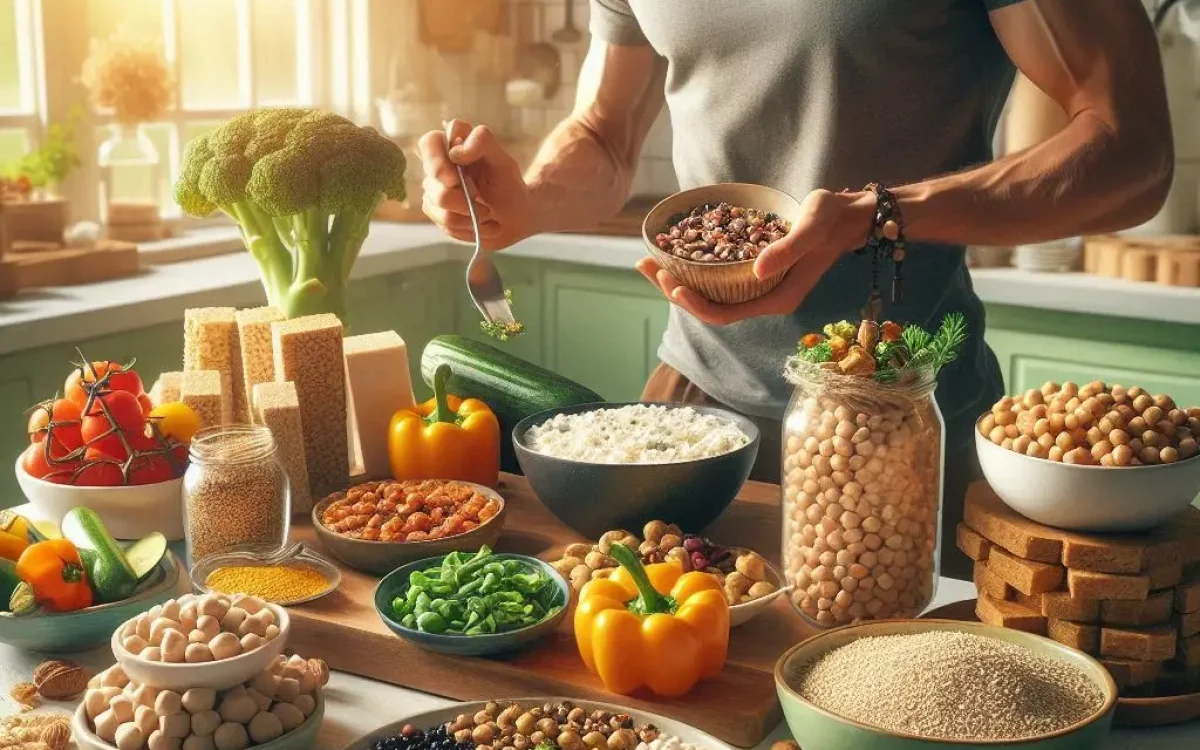
Building muscle on a vegetarian diet is not only possible but can be highly effective when you focus on the right protein sources. Protein is essential for muscle repair, recovery, and growth, but plant-based diets require strategic planning to ensure all essential amino acids are consumed. Whether you are a beginner or an experienced athlete, understanding which foods provide high-quality protein and how to combine them is key to maximizing your results.
Why Protein Matters for Muscle Building
Protein is made up of amino acids, which are the building blocks of muscle tissue. During strength training or resistance exercises, your muscles experience microtears. Protein helps repair these tears, allowing muscles to grow stronger and larger. For vegetarians, ensuring adequate protein intake is vital because some plant proteins are not “complete,” meaning they lack one or more essential amino acids.
The recommended protein intake for muscle building ranges from 1.2 to 2.2 grams per kilogram of body weight per day, depending on the intensity of your workouts. Distributing protein intake evenly throughout the day and including a source in every meal helps optimize muscle protein synthesis.
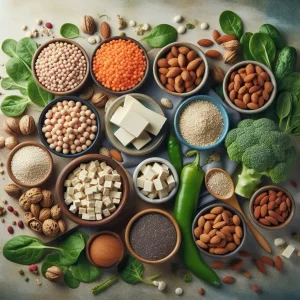
Top Vegetarian Protein Sources
1- Legumes
Legumes are among the richest plant-based protein sources and provide additional benefits like fiber, iron, and complex carbohydrates.
- Lentils: Around 18 grams of protein per cooked cup, perfect for soups, stews, or salads.
- Chickpeas: Approximately 15 grams of protein per cup, versatile in curries, hummus, or roasted snacks.
- Beans (black, white, kidney): 15–20 grams per cup, excellent in salads, stews, or bean burgers.
- Green peas: About 8.6 grams per cup, great in stir-fries or side dishes.
Tip: Combining legumes with whole grains (like rice) completes the amino acid profile, ensuring a “complete protein” source.
2- Soy and Soy Products
Soy is a standout for vegetarians because it is a complete protein, meaning it contains all nine essential amino acids.
- Tofu: Highly versatile, can be grilled, baked, or added to stir-fries.
- Tempeh: Fermented soy with a nutty flavor, excellent for protein-packed sandwiches or bowls.
- Edamame: Young soybeans, perfect as a snack or side dish.
- Soy milk: Use in smoothies, oatmeal, or as a milk substitute.
Soy provides high-quality protein that supports muscle repair and growth, making it a cornerstone for vegetarian athletes.
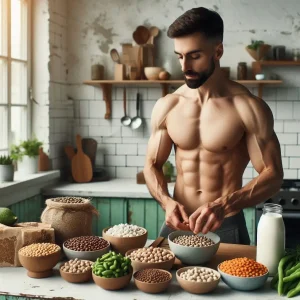
3- Whole Grains
Whole grains contribute both protein and complex carbohydrates, supplying energy for workouts and recovery.
- Quinoa: A complete plant protein, about 8 grams per cooked cup. Perfect for salads, bowls, or as a rice alternative.
- Oats: 6 grams per half-cup, ideal for breakfast or protein smoothies.
- Brown rice and buckwheat: Good sources of protein and fiber, providing sustained energy.
Tip: Pair grains with legumes for a complete amino acid profile, e.g., lentils with rice or beans with quinoa.
4- Nuts and Seeds
Nuts and seeds are protein-dense and provide healthy fats, vitamins, and minerals important for recovery.
- Almonds, cashews, walnuts: 6–8 grams per ounce; can be eaten as snacks or added to meals.
- Chia seeds and flaxseeds: High in protein, fiber, and omega-3 fatty acids, ideal in smoothies or sprinkled over oatmeal.
- Hemp seeds: Complete protein, great in salads, smoothies, or sprinkled over yogurt.
- Peanut butter or other nut butters: Quick protein boost with healthy fats.
Tip: Incorporate a small handful of nuts or a tablespoon of seeds in snacks or meals to increase protein intake and support satiety.
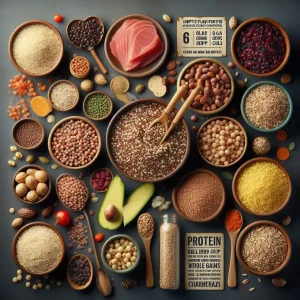
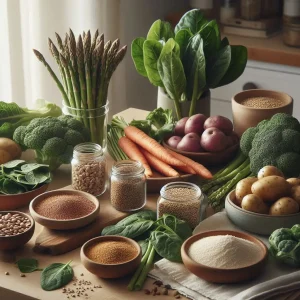
5- Vegetables Rich in Protein
While lower in protein than legumes or soy, some vegetables provide meaningful amounts of amino acids and nutrients.
- Spinach, broccoli, asparagus, kale: Add to salads, stir-fries, or soups.
- Potatoes and sweet potatoes: Contain moderate protein and carbohydrates for energy.
Vegetables complement your protein intake and provide vitamins, minerals, and antioxidants that support overall health.
6- Plant-Based Protein Powders
For those struggling to meet protein needs through food alone, plant-based protein powders can be helpful:
- Pea protein: Easily digestible and rich in branched-chain amino acids (BCAAs).
- Soy protein: Complete protein, versatile in shakes and smoothies.
- Rice or hemp protein: Good alternatives for those with soy allergies.
Tip: Consume protein shakes after workouts to optimize muscle recovery.
Practical Tips for Maximizing Muscle Growth
1- Combine Protein Sources: Mix legumes with grains or nuts to ensure you get all essential amino acids. For example, lentils with quinoa or rice with beans.
2- Distribute Protein Intake: Include protein in every meal, aiming for 20–30 grams per serving.
3- Focus on Post-Workout Nutrition: Consume a meal or shake with both protein and carbohydrates within 30–120 minutes after exercise to support recovery.
4- Consider Supplements if Needed: Plant-based protein powders or BCAAs can help reach your daily target.
5- Pay Attention to Calories: Ensure adequate energy intake; muscle growth requires a slight calorie surplus.
6- Don’t Forget Training and Rest: Protein alone won’t build muscle. Regular strength training and 7–9 hours of sleep are crucial for recovery and growth.
7- Monitor Micronutrients: Vegetarians should pay attention to vitamin B12, iron, zinc, calcium, and omega-3s. Supplements may be necessary for optimal health.
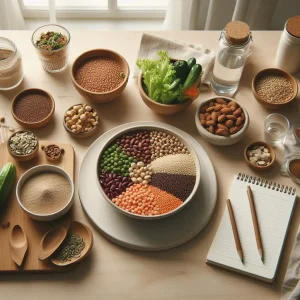
Example Vegetarian Muscle-Building Meals
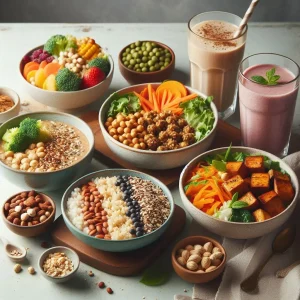
- Breakfast: Oatmeal with chia seeds, almond butter, and soy milk.
- Lunch: Lentil and quinoa salad with vegetables and hemp seeds.
- Snack: Roasted chickpeas or a handful of mixed nuts.
- Dinner: Tofu stir-fry with brown rice, broccoli, and cashews.
- Post-Workout Shake: Soy protein powder blended with banana, almond milk, and a spoon of peanut butter.
These meals combine protein, fiber, and healthy fats while ensuring a variety of amino acids for optimal muscle recovery.
Vegetarian athletes can achieve impressive muscle growth by strategically including protein-rich plant foods in their diet. Legumes, soy products, whole grains, nuts, seeds, vegetables, and optional protein powders provide the essential amino acids and nutrients needed for strength and recovery. Diversifying protein sources, timing intake around workouts, and pairing nutrition with consistent resistance training ensures optimal results.
Start implementing these strategies today, experiment with meals, and watch your muscle-building progress grow steadily. For more meal ideas, detailed guides, and tips on vegetarian nutrition for athletes, visit Nutrition Travels.