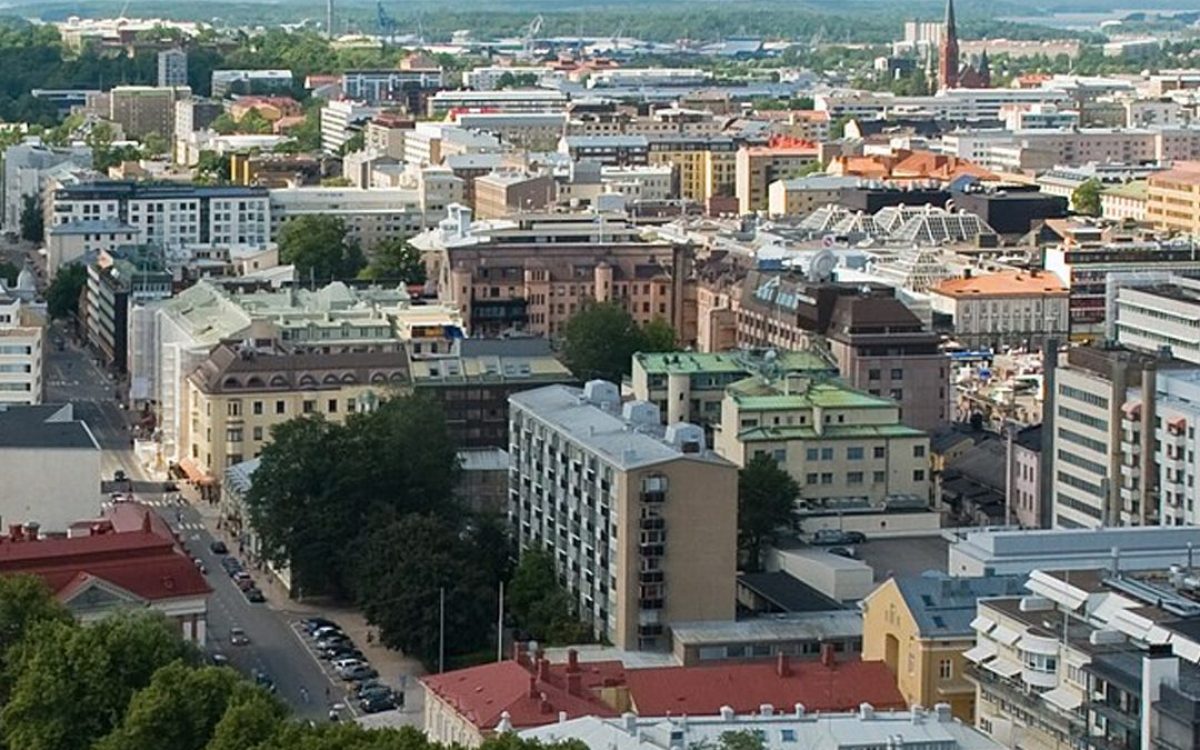
Turku The Jewel of Finland is often overshadowed when Finland is mentioned, as thoughts usually drift toward Helsinki, the modern capital, or Lapland, the land of endless snow. Yet, Turku stands as the oldest city in Finland and one of its most charming destinations — a place that radiates history, warmth, and character despite its northern climate.
Located on the southwestern coast where the Aura River meets the Baltic Sea, Turku The Jewel of Finland is known as the historical heart of the country. Once Finland’s first capital and a major cultural and commercial center during the Middle Ages, the city today blends its medieval heritage with modern urban life, offering a vibrant tapestry of art, culture, and natural beauty. Here, history doesn’t just belong to museums — it lives in the streets, the riverbanks, and the architectural landscapes.
Turku The Jewel of Finland Through Time: A Historical Glimpse:
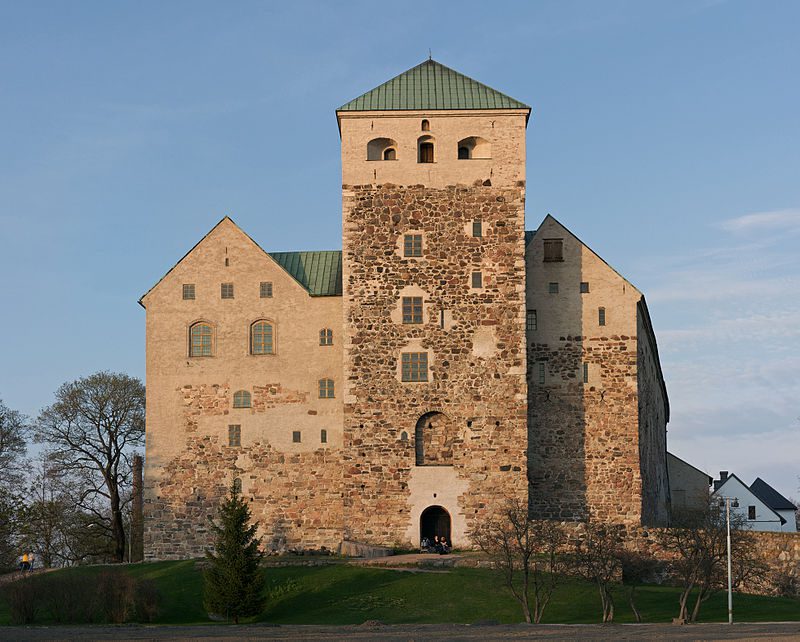
Turku was founded in the late 13th century, likely growing around its iconic Turku Castle (Turun linna), which served as the administrative and political center during medieval times. Thanks to its strategic coastal location, the city flourished as a vibrant trading port along the Baltic Sea.
In 1812, after Finland became part of the Russian Empire, the capital moved to Helsinki. However, Turku remained a key cultural and educational center. In 1827, a massive fire devastated much of the old city, yet Turku emerged once again, rebuilt with a distinctive blend of historic and modern architecture.
Today, walking through Turku’s streets feels like stepping into a living story — from Gothic cathedrals to wooden houses that have stood for centuries.
The Aura River: The Heart of Turku The Jewel of Finland:
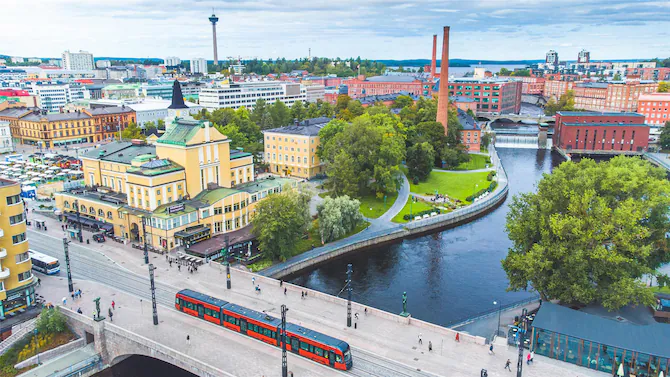
The Aura River is more than just a waterway — it is the living heart of Turku. Cafés, restaurants, and art spaces line its banks, where residents and visitors stroll, cycle, and relax by the water, especially during the summer months.
At night, the reflections of city lights shimmer on the river’s surface, while old docked ships transform into floating cafés and unique dining spots. The riverside is a gathering place filled with music, conversation, and energy — a perfect illustration of Turku’s warm atmosphere.
During summer, festivals such as River Day and the Turku Food Festival take place along the riverbanks, turning the area into one of the city’s liveliest hotspots.
Turku Castle: A Symbol of Turku The Jewel of Finland’s Heritage:
No trip to Turku is complete without visiting Turku Castle, one of the most significant historical landmarks in Finland. Built at the end of the 13th century, the castle evolved over time — from royal residence to military fortress, then to a prison, and finally to a historical museum.
Visitors can explore ancient stone corridors, grand banquet halls, old armories, and exhibitions that narrate Finland’s medieval history. The views from the castle towers overlooking the river and the city are breathtaking and offer a glimpse into Turku’s timeless beauty.
Turku Cathedral: The Spiritual Heart of the City:
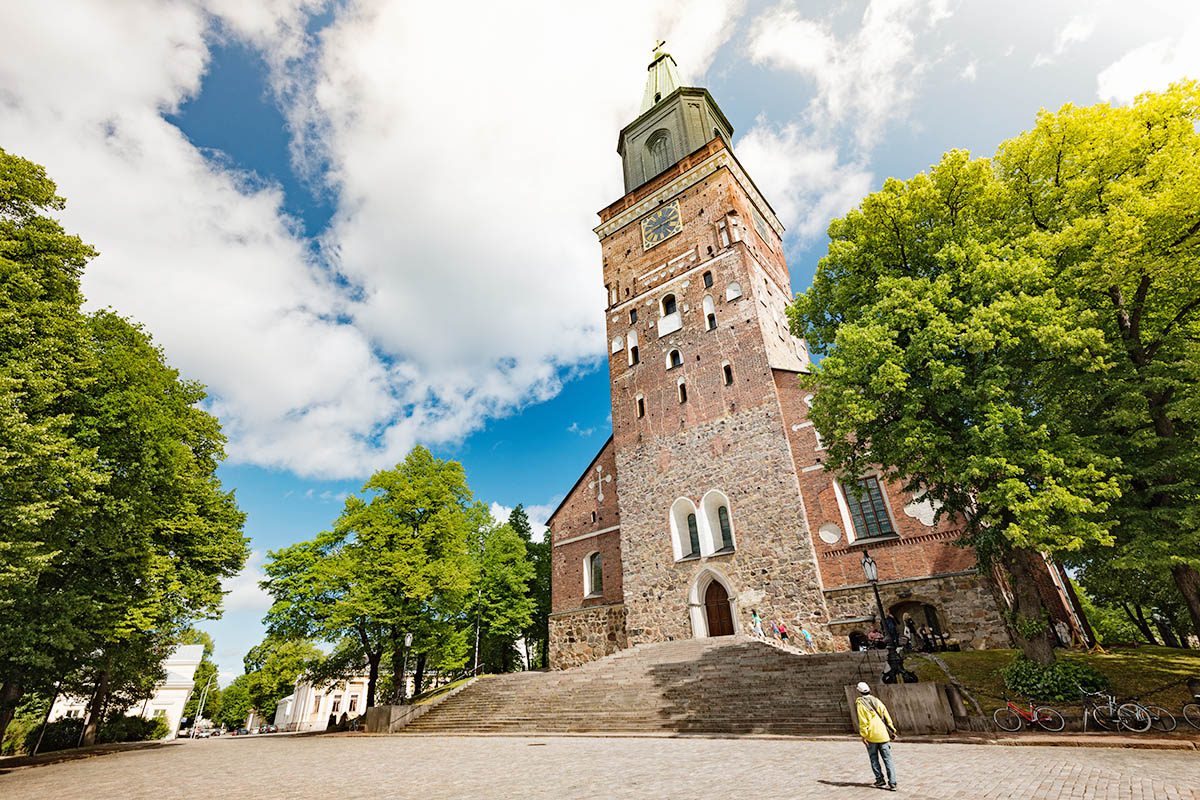
The story of Turku Cathedral begins in the 13th century. First constructed from wood, it was later expanded using stone and brick. Although severely damaged during the Great Fire of 1827, it was carefully restored to its majestic form.
A broad stone square leads to its entrance, and a tall central tower rises above the city skyline. The interior is adorned with medieval murals, carved ironwork, stained-glass windows, and side chapels containing historical memorials and tombs — including those of queens, princesses, and bishops. Nearly 4,500 people were buried here between the 14th century and 1784.
The cathedral also played a role during wartime. During both the Finnish-Russian War and World War II, volunteer women climbed to the tower to receive radio signals from Finnish naval ships and relay them to city defenses.
Thus, Turku Cathedral is not just a place of worship — it is a living monument of Finnish history, culture, and identity.
Culture and the Arts in Turku The Jewel of Finland:
Since being named European Capital of Culture in 2011, Turku has flourished as a dynamic cultural center. The city is home to theaters, museums, and art galleries celebrating Finnish creativity.
Notable cultural attractions include:
1. Aboa Vetus & Ars Nova Museum — combining preserved underground medieval ruins with contemporary art.
2. Sibelius Museum — the only museum in Finland dedicated to the history of music.
3. Turku Swedish Theatre — one of the oldest theatres in the country, offering performances in multiple languages.
The city also hosts numerous annual festivals, such as the Medieval Festival and Ruisrock, one of Europe’s oldest and most iconic music festivals.
Life in Turku: Nature, Simplicity, and Warmth:
Turku is easily explored on foot or by bicycle. Distances are short, the atmosphere is peaceful, and the air is fresh.
From the city, it is easy to reach the Turku Archipelago, a network of scenic islands accessible by bridges and ferries, offering serene villages and stunning natural landscapes.
Visitors can also enjoy:
1. The Botanical Garden on Ruissalo Island
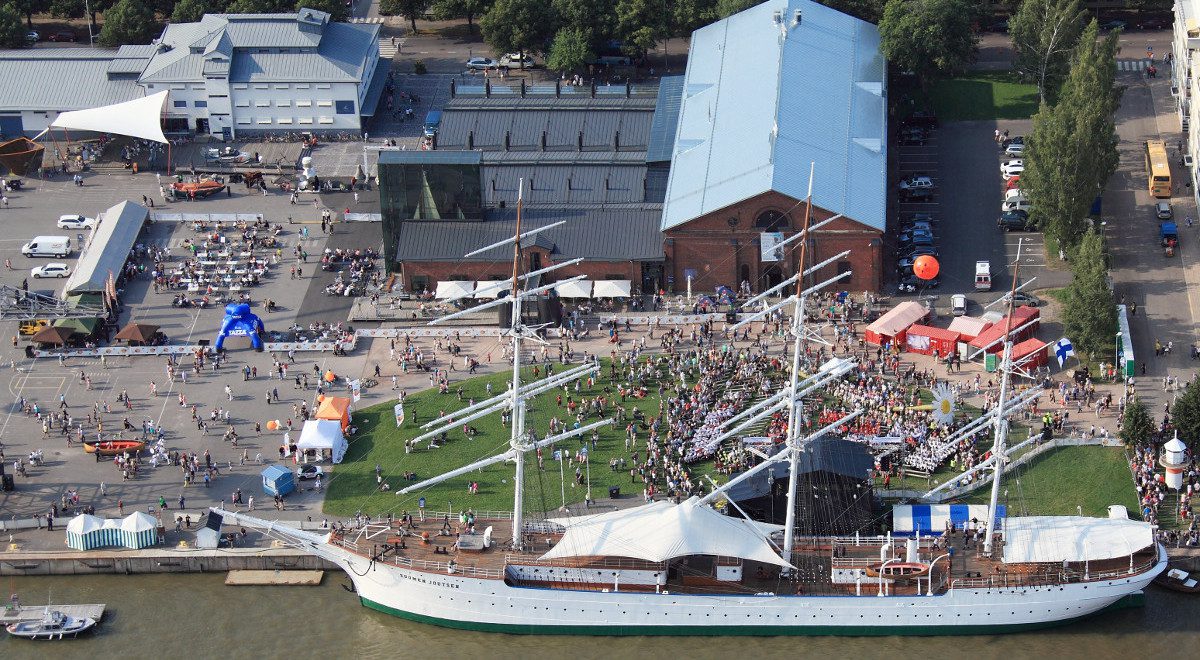
2. The maritime museum Forum Marinum, featuring historic ships and interactive exhibits
Turku is not just a destination — it is an experience. A place where history flows through river paths, where culture and nature meet, and where the atmosphere is calm yet full of life. Whether you love history, art, or the serenity of nature, Turku offers something memorable and meaningful.
If you’re planning to explore Turku or other destinations around the world, Nutrition Travels is your trusted travel guide. We provide accurate, insightful information on culture, history, activities, and essential travel tips — helping you travel smarter and make every journey richer and more meaningful.